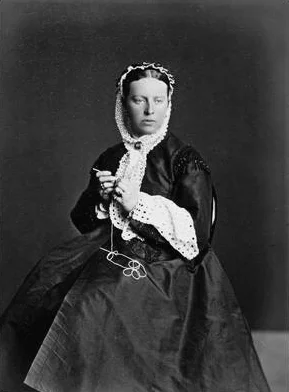
Adelaide Casely-Hayford
June 2, 1868 — January 16, 1960
Adelaide Smith Casely-Hayford was a Sierra Leonean educator, writer, and feminist who founded a pioneering vocational school for African girls, advocated for African cultural identity and women's rights in West Africa, and was one of the most significant women intellectuals and activists in early 20th-century African life.
A Pan-African Education and Vision
Born on June 2, 1868 in Freetown, Sierra Leone, into the Krio elite — a community of liberated slaves and their descendants who had developed a distinctive creole culture in Sierra Leone — Adelaide Smith received an excellent education by the standards of the time, studying in England and Germany and becoming thoroughly bilingual and bicultural. She married Joseph Casely-Hayford, a Ghanaian lawyer and pan-African activist and writer, in 1903. Though the marriage eventually failed, it deepened her engagement with pan-African thought and with the question of how Africans could assert their cultural identity and self-worth within a colonial world that constantly denigrated African culture. Her niece, Gladys Casely-Hayford (who published under the name Aquah Laluah), was a Harlem Renaissance poet, and Adelaide moved in circles that included W.E.B. Du Bois and Marcus Garvey during her time in the United States.
The Girls' School and African Cultural Identity
Adelaide Casely-Hayford's most concrete achievement was the founding of a vocational school for girls in Freetown, Sierra Leone, which she established in the early 1930s after raising funds through speaking tours in Britain and the United States. The school was specifically designed to provide African girls with practical skills and education while maintaining and celebrating African cultural identity — a deliberate counter to the colonial educational model that trained Africans to adopt European culture and denigrate their own. The school taught domestic and vocational skills alongside academic subjects in an atmosphere that affirmed African culture, music, and dress. She wrote essays and gave lectures advocating for African cultural pride and women's education that placed her in the tradition of pan-African feminism developing across the African diaspora in the early 20th century.
Did You Know?
Casely-Hayford wrote a candid and fascinating autobiographical memoir that was published posthumously, in which she reflected on her life, her failed marriage, her educational work, and the complexities of being an African woman of the elite Krio class navigating between African and British identities in the colonial period. The memoir is valued as a primary document in West African women's history and as an unusually candid account of the interior life of a woman who lived across multiple cultural worlds without quite belonging fully to any of them.
Legacy
Adelaide Casely-Hayford died on January 16, 1960 in Freetown, Sierra Leone, just before Sierra Leone's independence. She lived to 91 and saw the pan-African movement she had been part of begin to achieve the political independence it had dreamed of for decades. She is recognized in Sierra Leone as a national figure and in the broader context of African women's history as a pioneer of women's education and cultural feminism. Her insistence that African girls deserved education that valued and affirmed their own culture, rather than training them to become imitation Europeans, was ahead of her time and has become a central principle of decolonial education philosophy.