Joseph Papp
June 22, 1921 — October 31, 1991
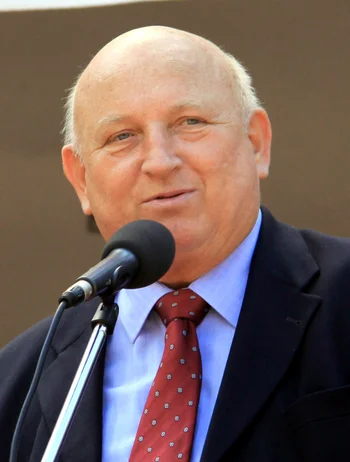
Joseph Papp was an American theatrical producer and director who fundamentally democratized access to live theater in America, most famously by creating free Shakespeare performances in Central Park and by founding The Public Theater, which developed some of the most important works in American dramatic history.
A Brooklyn Boy with a Vision
Born Yosl Papirofsky on June 22, 1921 in Brooklyn to immigrant Jewish parents, Papp grew up with almost nothing but an enormous love for theater. He served in the Navy during World War II and studied acting afterward through the G.I. Bill. In 1954, he founded the Shakespeare Workshop, staging free Shakespeare productions wherever he could find space — church halls, parks, any venue that would have him. His core conviction was radical for mid-century America: that great theater should be available to everyone, not just those who could afford Broadway tickets. New York City's parks commissioner Robert Moses fought against Papp's free performances in Central Park, but Papp prevailed through courts and public pressure. By 1962, Shakespeare in the Park had found a permanent home at the open-air Delacorte Theater in Central Park, where free performances continue to this day.
The Public Theater and A Chorus Line
In 1967, Papp expanded his vision by establishing The Public Theater in the former Astor Library building in the East Village of Manhattan. The Public became a launching pad for some of the most significant American plays and musicals of the 20th century, including Ntozake Shange's For Colored Girls Who Have Considered Suicide When the Rainbow Is Enuf, Charles Gordone's No Place to Be Somebody (the first off-Broadway play to win the Pulitzer Prize for Drama), and David Rabe's Vietnam War plays. Most famously, Papp produced Michael Bennett's Pulitzer Prize-winning musical A Chorus Line (1975), which originated at The Public before transferring to Broadway, where it became one of the longest-running shows in history. The profits from A Chorus Line funded the Public's operations for years.
Did You Know?
During the McCarthy era, Papp was called before the House Un-American Activities Committee in 1958 and refused to name names, putting his entire enterprise at risk. CBS, which had been broadcasting his Shakespeare programs, fired him immediately. But the blacklist ultimately failed to silence him, and the crisis drew attention to his work in ways that ended up strengthening his public reputation rather than destroying it.
Legacy
Papp advocated consistently for non-traditional casting, for diverse voices in American theater, and for the idea that theater was a civic rather than a luxury good. He championed Black and Latino playwrights and performers at a time when Broadway rarely made space for them. He died of prostate cancer on October 31, 1991. One of the performance spaces inside The Public Theater has been renamed Joe's Pub in his honor and continues to host live music and theater across genres. The Delacorte Theater in Central Park, where Shakespeare in the Park continues to draw thousands of free-ticket seekers every summer, stands as his most enduring monument.