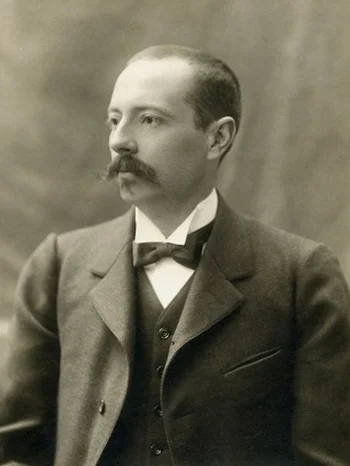
Annapurna Maharana
November 3, 1917 — Odisha, India
Annapurna Maharana was an Indian pro-independence activist from Odisha whose work spanned the freedom struggle, social reform, and the fight for women's rights. A close associate of Mahatma Gandhi, she embodied the Gandhian ideals of nonviolent resistance and constructive social work. Her contributions helped shape Odisha's participation in the broader Indian independence movement.
Early Life
Annapurna Maharana was born on November 3, 1917, in the Indian province of Odisha (then part of the Bengal Presidency and later Orissa) during a period when the region was witnessing the early stirrings of the nationalist movement against British colonial rule. Growing up in this environment, she came of age at a time when leaders across India were mobilizing ordinary citizens, including women, into the fold of the independence struggle. The Gandhian philosophy of satyagraha, or nonviolent resistance, was beginning to permeate towns and villages across Odisha, inspiring a generation of young Odias, including Maharana, to commit themselves to the cause of swaraj, or self-rule. Her formative years were shaped by the swadeshi and noncooperation movements sweeping through the country, which encouraged Indians to reject British goods, institutions, and authority in favor of homegrown alternatives and self-reliance. This atmosphere of political awakening, combined with a strong sense of regional and national identity as an Odia woman, laid the groundwork for her lifelong dedication to both the freedom movement and to uplifting the social and economic status of women in her community.
Activism and the Freedom Struggle
Annapurna Maharana emerged as a prominent figure in India's independence movement, becoming a close ally of Mahatma Gandhi and aligning herself with his vision of nonviolent civil disobedience. As part of the broader Gandhian network of activists, she worked to translate the national leadership's directives into grassroots action within Odisha, helping to organize and inspire local participation in campaigns against British rule. Beyond the political fight for independence, Maharana was deeply committed to social reform, championing causes that addressed the everyday struggles of ordinary Indians under colonial administration. She was also recognized as a prominent women's rights activist, working to expand opportunities and dignity for women at a time when such advocacy was still a radical undertaking in Indian society. Her dual focus on national liberation and social upliftment reflected the Gandhian belief that political freedom and social reform were inseparable goals. Through her sustained activism, Maharana became an important link between the national independence movement led by figures like Gandhi and the local realities of Odisha, helping bridge grassroots concerns with the larger freedom struggle.
Did You Know?
Annapurna Maharana pursued two intertwined missions at once: fighting for India's political independence alongside Mahatma Gandhi and simultaneously campaigning for women's rights, making her a rare dual pioneer in both nationalist and social reform circles of early 20th-century Odisha.
Legacy
Annapurna Maharana's legacy endures as that of a dedicated Odia freedom fighter who placed herself at the intersection of India's independence movement and its parallel struggle for social and gender equality. As a close associate of Mahatma Gandhi, she carried forward his principles of nonviolence and constructive work into her home region, helping to ensure that Odisha's contributions to the national struggle were not overlooked. Her commitment to women's rights during an era when such advocacy was rare distinguishes her as a pioneering figure, one whose work anticipated later movements for gender equality in independent India. Maharana is remembered today as part of the generation of regional freedom fighters whose efforts, though sometimes overshadowed by more nationally prominent leaders, were essential to the success of the broader independence movement. Her life continues to be commemorated in Odisha, particularly around her birth anniversary, as a reminder of the countless local activists whose sacrifices and dedication helped secure India's freedom in 1947 and whose vision for social reform helped shape the values of the newly independent nation.