David Emerson
September 17, 1945 — Vancouver, Canada
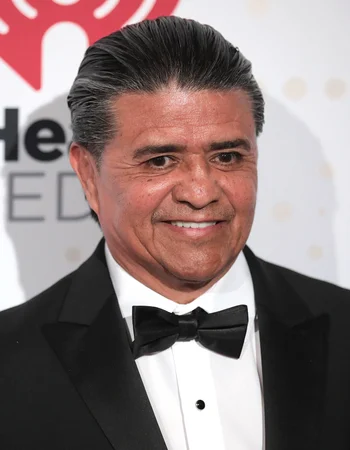
David Emerson is a Canadian economist, businessman, and politician best known for his rare feat of serving in cabinet under two different political parties within the same Parliament. Elected as a Liberal MP for Vancouver Kingsway in 2004, he later crossed the floor to join the Conservatives, holding senior portfolios including industry, international trade, and foreign affairs. His career spanned decades in both public administration and the private sector before he entered elected politics relatively late in life.
Early Life and Career
David Lee Emerson was born on September 17, 1945, in Vancouver, British Columbia. He pursued higher education in economics, earning a doctorate in the field, which prepared him for a career that would blend public service with business leadership. Before entering elected politics, Emerson built a substantial reputation in British Columbia's public and private sectors. He served in senior positions within the provincial government of British Columbia, including as Deputy Minister of Finance, where he gained deep experience in economic policy and fiscal management. He later moved into the business world, taking on leadership roles such as president and CEO of the Vancouver International Airport Authority, one of the busiest transportation hubs in Canada. His work in this capacity gave him hands-on experience managing large, complex organizations and infrastructure, skills that would later prove valuable in his political career. This combination of academic training in economics and practical experience in both government administration and corporate leadership positioned Emerson as a credible candidate when he decided to enter federal politics in his late fifties, bringing a technocrat's approach to public office.
Political Career and the Floor-Crossing Controversy
Emerson entered federal politics in 2004, winning election as the Liberal Member of Parliament for the riding of Vancouver Kingsway. Prime Minister Paul Martin quickly recognized his economic expertise, appointing him Minister of Industry, a position he held from 2004 to 2006. When the Liberals lost the 2006 general election to Stephen Harper's Conservatives, Emerson made a controversial decision that would define his political legacy: just days after being re-elected as a Liberal, he crossed the floor to join the Conservative Party and accept a cabinet position. This move sparked significant public backlash in his Vancouver riding, with constituents feeling betrayed after having voted for a Liberal candidate. Despite the controversy, Emerson served effectively under Harper, taking on the role of Minister of International Trade from 2006 to 2008, where he worked on trade negotiations and international economic relations. In 2008, he was elevated to the position of Minister of Foreign Affairs, one of the most senior roles in the Canadian cabinet, briefly overseeing Canada's diplomatic and international affairs portfolio before the government's mandate concluded.
Did You Know?
David Emerson made history by becoming one of the few Canadian politicians to serve as a senior cabinet minister under two different political parties in the same Parliament. Just days after being re-elected as a Liberal MP in 2006, he crossed the floor to join the victorious Conservatives and was immediately named to Stephen Harper's cabinet, sparking outrage among the Vancouver Kingsway voters who had just cast ballots for him as a Liberal.
Later Life and Legacy
Emerson chose not to seek re-election in the 2008 federal election, stepping away from elected politics after a relatively brief but eventful parliamentary career. Following his departure from Parliament, he remained active in public policy, undertaking government-commissioned reviews related to economic sectors important to British Columbia and Canada, including work examining the forestry and aerospace industries. His expertise continued to be sought by governments looking for independent, economically grounded analysis. Emerson's legacy is closely tied to the floor-crossing controversy of 2006, which remains one of the most cited examples in Canadian political discourse of the tension between party loyalty and personal political calculation. His career illustrates the sometimes uneasy relationship between technocratic expertise and partisan politics, as he was valued by leaders of both major parties for his economic acumen even as his shifting allegiance drew criticism from voters and opponents alike. Beyond the controversy, Emerson's decades of contributions to Canadian public administration, international trade policy, and economic governance mark him as a significant, if debated, figure in early 21st-century Canadian politics.