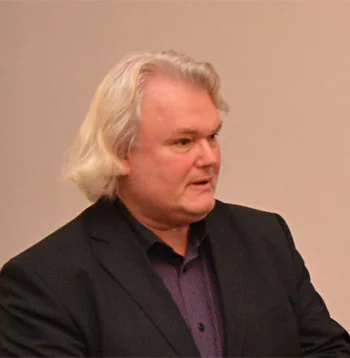
R. Emmett Tyrrell Jr.
December 14, 1943 — Indianapolis, Indiana, United States
R. Emmett Tyrrell Jr. is an American conservative journalist, author, and magazine editor best known as the founder and editor-in-chief of The American Spectator. Over more than five decades, he has shaped conservative media commentary through his magazine, syndicated columns, and books on American politics. Writing under the byline R. Emmett Tyrrell, Jr., he became one of the most recognizable voices of the modern conservative movement.
Early Life and Education
Robert Emmett Tyrrell Jr. was born on December 14, 1943, and grew up in Indianapolis, Indiana. He attended Indiana University in Bloomington, where he became deeply engaged in campus political debates during the turbulent 1960s, a period marked by student activism and rapid social change. Rather than aligning with the era's dominant left-wing student movements, Tyrrell gravitated toward conservative and libertarian thought, finding inspiration in the writings of figures associated with the emerging postwar conservative intellectual movement. His college years proved formative, as he began to see a need for a publication that could challenge the prevailing liberal consensus on American campuses and in the broader media. It was at Indiana University, still an undergraduate, that he took the entrepreneurial step of launching his own small magazine, setting the course for his life's work. This early venture reflected both his intellectual ambition and his willingness to swim against the cultural tide of his generation, foreshadowing the combative, independent style that would characterize his decades-long career in conservative journalism.
Founding The American Spectator
In 1967, while still a student, Tyrrell founded a small journal called The Alternative, which he later renamed The American Spectator. What began as a modest campus publication grew into one of the most influential conservative magazines in the United States, known for its sharp political commentary, cultural criticism, and willingness to take on establishment figures across the political spectrum. As editor-in-chief, Tyrrell cultivated a distinctive editorial voice that blended intellectual conservatism with biting wit, publishing writers who would become prominent figures in conservative thought. The magazine gained particular national attention during the 1990s for its aggressive coverage of the Clinton administration, cementing Tyrrell's reputation as a formidable and controversial conservative commentator. Beyond the magazine, he became a nationally syndicated columnist, reaching readers well beyond the Spectator's subscriber base. He also authored numerous books, including works examining liberalism, American politics, and the Clinton presidency, such as titles addressing what he termed the excesses of liberal culture. Through these efforts, Tyrrell established himself as a central figure in conservative media, helping to build institutions and platforms that shaped right-of-center political discourse for generations.
Did You Know?
Tyrrell founded what became The American Spectator while he was still an undergraduate at Indiana University in 1967, originally naming it The Alternative. He has remained at the helm of the publication for well over five decades, making him one of the longest-serving magazine editors in American journalism.
Legacy and Influence
R. Emmett Tyrrell Jr.'s decades-long stewardship of The American Spectator left a lasting mark on American conservative journalism, providing a training ground and platform for writers and commentators who went on to broader prominence. His combative prose style and willingness to challenge political and cultural figures earned him both devoted admirers and sharp critics, but his influence on conservative media is widely acknowledged. He coined memorable phrases, including describing the dominant liberal media and academic culture as the "Kultursmog," a term that entered conservative political vocabulary. As an author, his books offered readers an insider's conservative perspective on major political controversies of his era, particularly the Clinton years. Tyrrell's career reflects the broader growth of conservative media institutions in the late twentieth century, paralleling the rise of talk radio, conservative think tanks, and later digital commentary. His long tenure at the helm of a single publication, spanning from the 1960s counterculture era into the twenty-first century, is itself notable in an industry marked by frequent turnover. Tyrrell's work continues to be studied as part of the history of American conservative thought and media, marking him as a durable and influential figure in shaping right-leaning political commentary.