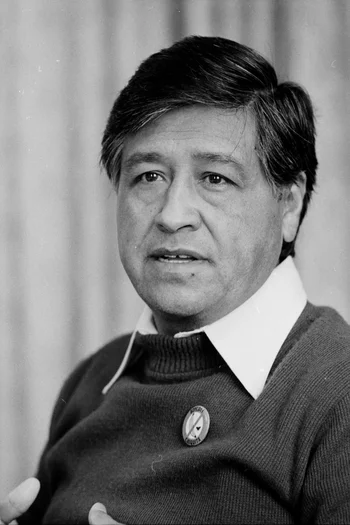
Etta Baker
March 31, 1913 — September 23, 2006 — Caldwell County, North Carolina, United States
Etta Baker was an American Piedmont blues guitarist and singer whose intricate, syncopated fingerpicking style became a cornerstone of American acoustic roots music. Though she spent most of her life working a factory job and raising a large family, her recordings and later performances made her one of the most influential and beloved Piedmont blues artists of the 20th century. She continued performing well into her nineties, passing down a tradition she had learned as a child in rural North Carolina.
Early Life in Rural North Carolina
Etta Baker was born in 1913 in Caldwell County, North Carolina, into a musical family steeped in the Piedmont blues tradition, a style blending blues, ragtime, and old-time country dance tunes distinguished by alternating bass lines and syncopated melodies picked out with the fingers rather than a flatpick. Her father, Boone Reid, was a skilled multi-instrumentalist who played guitar, banjo, and fiddle, and he taught young Etta the fundamentals of fingerpicking guitar. By the time she was a teenager, she had already absorbed a wide repertoire of tunes played at local gatherings and dances. Music remained largely a private and family pursuit for Baker for decades. She married Lee Baker and together they raised nine children, and for much of her adult life she worked long hours at a textile mill to support her family. Despite the demands of factory work and motherhood, she never set the guitar aside, continuing to play at home and for neighbors, preserving a distinctive regional style that might otherwise have faded from public memory.
Discovery and Recording Career
Baker's talent reached a wider audience in 1956 when folklorist Paul Clayton traveled through western North Carolina recording traditional musicians and captured her performing the instrumental "Railroad Bill." The track appeared on the Tradition Records compilation "Instrumental Music of the Southern Appalachians," alongside recordings by fellow North Carolina musician Frank Proffitt, introducing Baker's virtuosic picking to folk and blues enthusiasts nationwide. Despite this early exposure, Baker did not release a full solo album until 1991, when Rounder Records issued "One Dime Blues," a collection showcasing her deft, rolling fingerpicking and warm vocal style. The album was met with critical acclaim and cemented her reputation as one of the last great living links to the early Piedmont blues tradition. That same year, the National Endowment for the Arts recognized her contributions by awarding her a National Heritage Fellowship, the nation's highest honor for folk and traditional artists. Her music went on to influence generations of guitarists across blues, folk, and Americana circles, and her recordings became essential listening for anyone studying the fingerstyle guitar tradition of the American South.
Did You Know?
Etta Baker didn't release her first full solo album, "One Dime Blues," until 1991—when she was already 78 years old—despite having been recorded decades earlier in 1956. She spent most of the intervening years working in a textile mill and raising nine children, playing guitar mainly for family and neighbors.
Later Years, Legacy, and Death
Following her recognition in the early 1990s, Baker's career flourished in ways it never had during her working years. She toured widely, performing at folk and blues festivals across the country, and released additional recordings that further documented her artistry for future generations. Remarkably, she continued to perform with energy and precision well into her nineties, inspiring audiences with both her musicianship and her personal story of persistence. Younger guitarists studied her recordings closely, and she is often cited as a key influence on the preservation and popularization of Piedmont blues fingerstyle technique. Etta Baker died on September 23, 2006, in Morganton, North Carolina, at the age of 93. Her legacy endures through her recordings, through the musicians she directly mentored and inspired, and through renewed scholarly and popular interest in the Piedmont blues tradition. She is remembered not only as a gifted performer but as a vital tradition-bearer who kept alive a distinctly American guitar style rooted in family, community, and the rural South, ensuring it would be heard by audiences far beyond the mill towns and porches where she first learned to play.