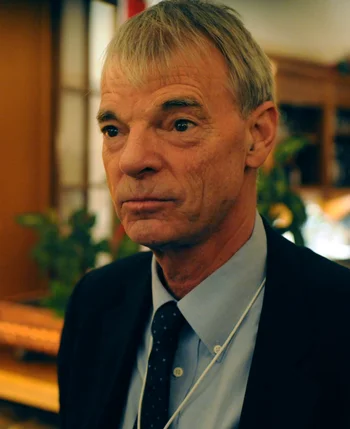
Francis Takirwa
November 7, 1965 — Uganda
Major General Francis Takirwa was a senior officer in the Uganda People's Defence Forces (UPDF) who rose through the ranks to become deputy commander of the UPDF Land Forces. Born on November 7, 1965, he dedicated his career to Uganda's military, commanding key regional divisions before assuming one of the highest positions within the country's land-based armed forces. His leadership left a lasting mark on the institutional structure of Uganda's military command.
Early Life
Francis Takirwa was born on November 7, 1965, in Uganda, during a period of significant political transition in the country. Detailed records of his childhood and early education are not widely documented, but like many of his generation who came of age during Uganda's turbulent post-independence decades, he entered military service as a pathway to leadership and national service. His formative years coincided with major shifts in Uganda's political and military landscape, including the rise of the National Resistance Army (NRA) under Yoweri Museveni, which would later become the Uganda People's Defence Forces. Takirwa's decision to pursue a military career placed him within an institution that was central to shaping Uganda's modern governance and security apparatus. Though specific details of his early training are limited in the historical record, his eventual rise to the rank of Major General reflects years of dedicated service, discipline, and demonstrated competence within the ranks of the UPDF. His career trajectory suggests a steady progression through various military postings and leadership roles before he reached senior command positions later in his life.
Military Career
Francis Takirwa built a distinguished career within the Uganda People's Defence Forces, eventually earning the rank of Major General. One of his most notable postings was as commanding officer of the UPDF's Second Division, headquartered in Mbarara in Uganda's Western Region. This division held strategic importance given its location near Uganda's border areas and its role in regional security operations. Commanding a division required overseeing troop deployments, maintaining operational readiness, and coordinating with national defense leadership on matters of security across the western part of the country. His effective leadership in this role helped pave the way for his subsequent promotion to one of the most senior positions in Uganda's land forces. At the time of his death, Takirwa served as deputy commander of the UPDF Land Forces, a position that placed him among the top military leadership responsible for overseeing Uganda's ground-based military operations, strategy, and personnel. This role underscored the trust placed in him by Uganda's military command structure and highlighted his standing as one of the country's most senior and respected officers.
Did You Know?
Before becoming deputy commander of the UPDF Land Forces, Francis Takirwa commanded the Second Division based in Mbarara, a strategically significant post overseeing military operations in Uganda's Western Region.
Legacy
Major General Francis Takirwa's career exemplified decades of service within the Uganda People's Defence Forces, an institution central to Uganda's national security and political stability. His progression from divisional command in Mbarara to the position of deputy commander of the UPDF Land Forces demonstrated both his military expertise and the confidence senior leadership placed in his judgment and capability. Takirwa passed away in 2026, having spent his life dedicated to Uganda's armed forces during a period when the UPDF played an increasingly prominent role in regional security matters, including peacekeeping missions and border security operations in East and Central Africa. His death marked the loss of one of Uganda's senior military leaders, and he is remembered within military circles for his contributions to strengthening the operational capacity of the UPDF Land Forces. His career serves as a testament to the pathways of advancement available within Uganda's military institutions and reflects the broader history of the UPDF's evolution from a rebel movement into a structured national defense force with formal ranks, divisions, and command hierarchies.