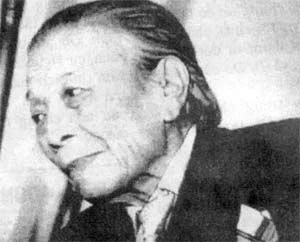
Gennady Sarafanov
January 1, 1942 — July 29, 2005 — Soviet Union
Gennady Vasiliyevich Sarafanov was a Soviet Air Force pilot and cosmonaut best remembered for commanding the Soyuz 15 mission in 1974. Though the flight's central goal—docking with the Salyut 3 space station—was thwarted by a rendezvous system malfunction, Sarafanov's calm handling of the emergency became a valuable lesson for the Soviet space program. His career reflected the high-stakes, often improvisational nature of early crewed spaceflight.
Early Life and Military Career
Gennady Sarafanov was born on January 1, 1942, in the Soviet Union, during the depths of World War II. Like many future cosmonauts, he pursued a path through Soviet military aviation, training as a fighter pilot in the Soviet Air Force. His technical aptitude and flying skill brought him to the attention of the country's space program at a time when the Soviet Union was aggressively expanding its human spaceflight capabilities in competition with the United States. In 1965, Sarafanov was selected to join the cosmonaut corps, entering an elite training program designed to prepare pilots for the physical and psychological demands of orbital flight. For nearly a decade, he underwent rigorous instruction in spacecraft systems, survival training, and mission simulations, waiting for his opportunity to fly. This extended preparation period was typical for cosmonauts of his generation, many of whom trained for years before receiving a flight assignment. Sarafanov's patience and discipline during this long apprenticeship reflected the demanding culture of the Soviet space program, which prized technical mastery and composure under pressure above all else.
The Soyuz 15 Mission
Sarafanov's defining moment came in August 1974, when he commanded the Soyuz 15 mission alongside flight engineer Lev Demin. The flight's objective was to dock with Salyut 3, a military-oriented space station already in orbit, and become the second crew to occupy it. This would have marked a significant milestone in extending Soviet operational experience aboard orbiting stations. However, as Soyuz 15 approached Salyut 3, the automated Igla rendezvous and docking system malfunctioned, repeatedly failing to guide the spacecraft into a safe docking position. Sarafanov and Demin found themselves in a tense situation, with the spacecraft's limited fuel and life-support reserves complicating any attempt at a manual docking. Mission controllers ultimately decided to abort the docking attempt rather than risk a collision with the station. The crew returned to Earth after just two days in orbit, making a rare night landing—one of the first in the Soviet program. Though the mission failed to achieve its primary goal, Sarafanov's steady piloting during the aborted approach and subsequent landing demonstrated skill and composure under significant pressure.
Did You Know?
When the automated docking system failed during Soyuz 15's approach to Salyut 3, Sarafanov and his crewmate had to abort the mission and make an emergency return to Earth—resulting in one of the earliest night landings in Soviet spaceflight history.
Later Life and Legacy
Following Soyuz 15, Sarafanov continued to serve within the Soviet cosmonaut corps, contributing his experience to the training and preparation of future crews rather than flying additional missions himself. He was honored with the title Hero of the Soviet Union in recognition of his service, and he rose to the military rank of major general during his career. He remained connected to the space program's institutional knowledge for years afterward, helping shape procedures informed by the lessons of his own difficult flight. Sarafanov died on July 29, 2005, having witnessed the Soviet space program's transformation into Russia's post-Soviet space efforts. Though Soyuz 15 is often remembered as a failed docking attempt, the mission provided crucial insight into the limitations of automated rendezvous systems and underscored the necessity of contingency planning for future missions. Sarafanov's legacy endures not through triumphant achievement but through the professionalism and resilience he displayed when a high-stakes mission went wrong—qualities that remain central to the culture of human spaceflight.