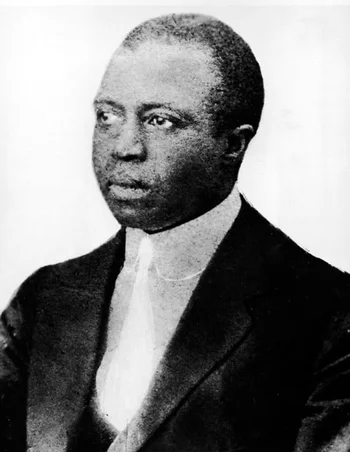
Ibrahim Gambari
November 24, 1944 — Ilorin, Nigeria
Ibrahim Agboola Gambari is a Nigerian academic and career diplomat whose decades-long career spanned service at the United Nations and at the highest levels of the Nigerian government. He is best remembered internationally for his roles as a UN Under-Secretary-General and special envoy to some of the world's most difficult conflict zones, and domestically for serving as Chief of Staff to the President of Nigeria from 2020 to 2023.
Early Life and Education
Ibrahim Agboola Gambari was born on November 24, 1944, in Nigeria, into a family with a strong scholarly and political tradition. He pursued higher education abroad, earning advanced degrees in political science and international relations, including a doctorate from Columbia University in the United States. This academic grounding shaped his lifelong dual identity as both scholar and practitioner of international affairs. Before entering full-time diplomatic service, Gambari built a career in academia, teaching political science and international relations at Nigerian universities, where he became known for his expertise in foreign policy, African affairs, and global governance. His scholarly work often examined Nigeria's role on the continental and world stage, as well as broader questions of conflict resolution and international cooperation. This combination of rigorous academic training and deep knowledge of Nigerian and African political dynamics would later prove invaluable as he transitioned into government service and international diplomacy, equipping him with both the theoretical framework and practical insight needed to navigate complex multilateral negotiations and represent Nigeria's interests on the world stage.
Diplomatic and International Career
Gambari's diplomatic career reached prominence when he served as Nigeria's Permanent Representative to the United Nations and later as the country's Minister of External Affairs, representing Nigerian interests during a critical period in the nation's foreign relations. His expertise and reputation led to his appointment to senior positions within the United Nations system itself, including serving as a UN Under-Secretary-General. In this capacity, Gambari took on some of the organization's most challenging assignments, acting as the UN Secretary-General's Special Representative for conflict-affected regions including Angola and Nigeria. He was later appointed Joint African Union–United Nations Special Representative for Darfur, Sudan, tasked with helping to manage one of the era's most complex humanitarian and peacekeeping crises. Gambari also served as the UN Special Adviser on Myanmar, engaging with that country's military government during a sensitive period of political transition, and held a role connected to the International Compact with Iraq. Throughout these assignments, he became known internationally as a skilled mediator capable of engaging with authoritarian governments and rebel factions alike, lending Nigeria significant diplomatic prestige on the global stage.
Did You Know?
Ibrahim Gambari held the unusual distinction of serving as a joint Special Representative for both the African Union and the United Nations simultaneously in Darfur, Sudan — a rare dual mandate reflecting the complexity of coordinating regional and global peacekeeping efforts in one of the world's most dangerous conflict zones.
Later Career and Legacy
After decades of international service, Gambari returned to a prominent domestic role when he was appointed Chief of Staff to the President of Nigeria in 2020, serving under President Muhammadu Buhari until 2023. In this position, he occupied one of the most influential posts in the Nigerian presidency, coordinating the administration's operations and advising on both domestic and foreign policy matters during a consequential period for the country. Gambari has been honored with Nigeria's national award of Commander of the Order of the Federal Republic (CFR), recognizing his contributions to public service. His legacy rests on a rare combination of scholarly credibility and hands-on diplomatic experience, having represented Nigeria and the international community across some of the most volatile conflict zones of the late twentieth and early twenty-first centuries. He remains a respected elder statesman in Nigerian public life, frequently sought for his perspective on foreign affairs, governance, and Africa's role in global institutions, and is regarded as one of Nigeria's most accomplished diplomats of his generation.