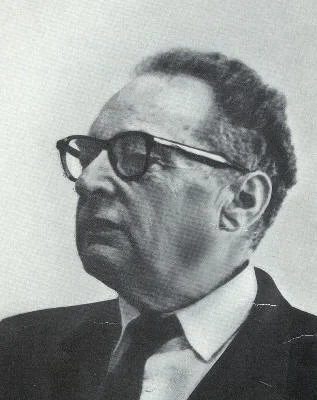
Joe Simon
October 11, 1913 — December 14, 2011 — Rochester, New York, United States
Joe Simon was a pioneering American comic book writer, artist, editor, and publisher whose work helped define the Golden Age of Comic Books. He is best remembered for co-creating Captain America with Jack Kirby and for serving as the first editor of Timely Comics, the company that would eventually become Marvel Comics. Over a career spanning decades, Simon shaped the visual and narrative language of the American superhero comic.
Early Life and Entry into Comics
Joseph Henry Simon was born on October 11, 1913, in Rochester, New York. He grew up with an interest in art and drawing, skills that led him into journalism and commercial illustration before he found his way into the fledgling comic book industry of the 1930s. Simon worked briefly as a newspaper artist and editor, gaining experience in visual storytelling and layout that would later prove invaluable. As the comic book medium exploded in popularity during the Great Depression, publishers scrambled for talented writers and illustrators to fill new titles, and Simon quickly became known for his versatility and sharp editorial instincts. He moved to New York City, the epicenter of the growing comics business, where he began contributing to various publishers. His early professional relationships and freelance assignments set the stage for the partnerships and creative breakthroughs that would define the Golden Age of Comic Books, an era in which Simon would become one of the most influential figures.
Career and Major Achievements
Simon's defining professional partnership began when he teamed up with artist Jack Kirby, forming one of the most celebrated creative duos in comic book history. Together they created Captain America in 1941, a patriotic superhero whose debut cover famously depicted him punching Adolf Hitler, a bold statement published before the United States entered World War II. The character became an instant sensation and remains one of the most enduring superheroes in American pop culture. Simon also served as the first editor-in-chief of Timely Comics, the publisher that would evolve into Marvel Comics, where he helped shape early superhero storytelling and business practices. Beyond Captain America, Simon and Kirby co-created numerous other characters and titles, and Simon later became a pioneer of the romance comic genre, co-creating Young Romance in 1947, which helped launch an entirely new category of comics aimed at female readers. Simon also worked as a publisher, launching his own imprints and continuing to innovate within the industry across multiple genres, including war, crime, and humor comics.
Did You Know?
The first issue of Captain America Comics, co-created by Joe Simon, featured a cover of Captain America punching Adolf Hitler in the jaw—published in December 1940, nearly a year before the United States officially entered World War II. The cover proved so controversial that Simon and Kirby reportedly received threats and had to seek protection.
Later Life and Legacy
Joe Simon continued working in the comics industry for decades, adapting to changing tastes and remaining active as a writer, editor, and consultant well into his later years. He was involved in creator-rights advocacy, including legal efforts related to the ownership of Captain America, reflecting broader industry struggles over recognition and compensation for Golden Age creators. Simon received numerous honors for his contributions, including induction into the Jack Kirby Hall of Fame and the Will Eisner Comic Book Hall of Fame, cementing his status as one of the medium's foundational figures. He passed away on December 14, 2011, in New York City, at the age of 98. His legacy endures through Captain America's continued prominence in comics and blockbuster films, as well as through the countless creators influenced by his storytelling innovations and his role in establishing the romance comics genre. Simon's career bridged the earliest days of comic books to their modern, multimedia-dominant era, making him a foundational architect of American popular culture.