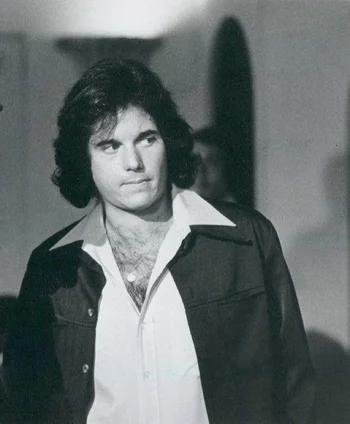
John Fitzwilliam Stairs
January 19, 1848 — 1904 — Halifax, Nova Scotia, Canada
John Fitzwilliam Stairs was a Canadian businessman and politician born into the influential Stairs merchant family of Halifax, Nova Scotia. Over his career he became one of the Maritimes' most powerful financiers, helping to found major banking, trust, and steel enterprises while also serving in federal and provincial politics. His work laid foundations for corporate development in Nova Scotia that outlasted his lifetime.
Early Life and Family Background
John Fitzwilliam Stairs was born on January 19, 1848, in Halifax, Nova Scotia, into one of the city's most prominent merchant families. His family's fortunes traced back to William Machin Stairs (1789–1865), a Halifax merchant and shipowner whose descendants became leaders in business, exploration, and public life across Canada. Among his relatives was William Grant Stairs, a noted Victorian-era African explorer, illustrating the family's wide-reaching ambitions beyond commerce. Growing up amid this environment of trade, shipping, and civic responsibility, John was groomed from an early age to take part in the family's extensive business interests. Halifax in the mid-nineteenth century was a bustling Atlantic port city, and the Stairs family's involvement in shipping, wholesale trade, and finance placed young John at the center of the region's commercial life. His education and early exposure to his father's and grandfather's enterprises prepared him for a career that would blend entrepreneurship with public service, a combination that defined much of his adult life in both Halifax and the broader Canadian political and financial landscape.
Business and Political Career
As an adult, John Fitzwilliam Stairs expanded far beyond the family's traditional shipping and mercantile roots, becoming a driving force in Nova Scotia's industrial and financial modernization. He was instrumental in establishing and directing several major enterprises, including banking and trust institutions and industrial ventures tied to the province's growing steel and manufacturing sectors. His business acumen made him a key figure in channeling investment capital into Maritime Canada during a period of rapid economic transformation, as the region sought to diversify beyond its traditional reliance on shipping and fisheries. Alongside his business pursuits, Stairs entered politics, representing Nova Scotia at the federal level as a member of the House of Commons. He used his political platform to advocate for policies favorable to Maritime commerce and industry, leveraging his firsthand understanding of the region's economic needs. His dual role as both financier and elected official gave him considerable influence in shaping Nova Scotia's path toward industrial growth, and he was widely regarded as one of the most capable business minds of his generation in Atlantic Canada.
Did You Know?
John Fitzwilliam Stairs was a member of the storied Stairs family of Halifax, whose relatives included William Grant Stairs, a Victorian-era explorer who took part in expeditions across Africa alongside figures like Henry Morton Stanley.
Later Years, Death, and Legacy
In his later years, John Fitzwilliam Stairs continued to build institutions that would long outlive him, cementing his reputation as one of Halifax's foremost businessmen and statesmen. His efforts in banking, trust management, and industrial finance helped establish frameworks that supported Nova Scotia's economic development well into the twentieth century. He died in 1904, leaving behind a legacy deeply intertwined with the broader Stairs family's contributions to Canadian commerce, exploration, and public affairs. His work is remembered as part of a pivotal era when Maritime entrepreneurs sought to secure the region's place within the expanding Canadian economy following Confederation. Though not as globally famous as his relative William Grant Stairs, the explorer, John Fitzwilliam Stairs left a lasting institutional legacy through the financial and industrial enterprises he helped found and lead. His life reflects the broader story of Halifax's merchant elite adapting to new economic realities, transitioning from shipping fortunes to modern corporate finance, and using political influence to protect and promote the interests of their home province.