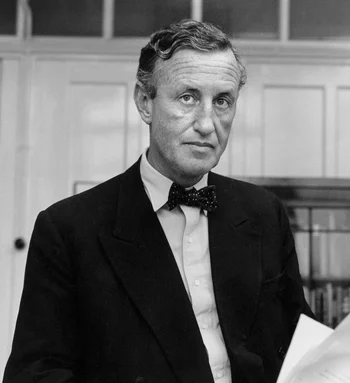
Johnny Wayne
May 28, 1918 — July 26, 1990 — Toronto, Ontario, Canada
Johnny Wayne was a Canadian comedian and comedy writer whose sharp wit and inventive sketches made him one of Canada's most beloved entertainers of the 20th century. Alongside his lifelong creative partner Frank Shuster, he formed the celebrated duo Wayne and Shuster, whose blend of intelligent satire and broad physical comedy entertained audiences across Canada and the United States for decades. Their partnership became one of the longest-running and most successful comedy collaborations in broadcasting history.
Early Life and Beginnings
Johnny Wayne was born on May 28, 1918, in Toronto, Ontario, Canada. He grew up in the city's vibrant Jewish immigrant community and attended Harbord Collegiate Institute, where he met Frank Shuster, a fellow student who shared his passion for comedy and performance. The two quickly discovered a natural creative chemistry, writing and performing skits together for school events and local audiences. Their early partnership was built on a shared love of wordplay, satire, and the classics, elements that would later become hallmarks of their professional act. Wayne pursued further education at the University of Toronto, where he continued to hone his comedic instincts alongside Shuster, performing in university revues and campus productions. These formative years laid the groundwork for what would become a decades-long professional collaboration, as the two young men refined the timing, writing style, and rapport that would define their later success on radio, television, and stage.
Wayne and Shuster: Rise to Fame
During the Second World War, Wayne and Shuster served in the Canadian Army, where they wrote and performed comedy revues to entertain troops, sharpening their skills before live audiences under demanding conditions. After the war, they returned to civilian life and began building a career in broadcasting, first finding success on Canadian radio before transitioning to television with the Canadian Broadcasting Corporation. Their sketches were known for combining highbrow references, particularly parodies of Shakespeare and classical literature, with slapstick humor, creating a distinctive style accessible to a wide audience. Wayne and Shuster achieved international recognition through numerous appearances on The Ed Sullivan Show in the United States, ultimately appearing a record-breaking number of times, more than any other performer in the show's history. Their sketch reimagining Julius Caesar as a hardboiled detective story, memorably titled with lines like the toga-related pun, became one of their most famous and frequently referenced bits, cementing their reputation as clever, literate comedians unafraid of tackling ambitious source material for laughs.
Did You Know?
Wayne and Shuster hold the record for the most appearances by any act on The Ed Sullivan Show, having performed on the program dozens of times over the years. Their comedic reimagining of Julius Caesar as a film noir detective story became one of the most requested and repeated sketches in the show's history.
Legacy and Later Years
Johnny Wayne continued performing and writing alongside Frank Shuster well into the later decades of the 20th century, remaining a fixture of Canadian television and a source of national pride. Their decades-long partnership, one of the most enduring in comedy history, produced a large body of work that shaped Canadian broadcasting and influenced generations of performers who followed. Wayne passed away on July 26, 1990, in Toronto, bringing an end to one of comedy's great creative partnerships. In recognition of their contributions, Wayne and Shuster were inducted into the Canadian Broadcast Hall of Fame and received numerous honors celebrating their impact on Canadian entertainment. Today, Johnny Wayne is remembered as a pioneering figure who helped establish Canada's comedic voice on the international stage, proving that intelligent, literate humor could reach mass audiences. His work with Shuster remains a touchstone for Canadian comedy, referenced and celebrated by comedians and historians who study the golden age of television variety entertainment.