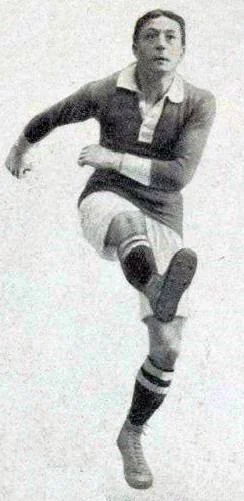
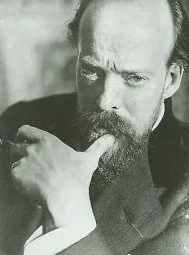
Julius Saaristo
July 21, 1891 — Finland
Juho Julius Saaristo was a pioneering Finnish track and field athlete who dominated the javelin throw in the early 20th century. He captured two medals at the 1912 Stockholm Olympics, including gold in the unique two-handed javelin event, cementing his place among Finland's early Olympic stars. Saaristo's career reflected the golden age of Finnish athletics before and after World War I.
Early Life and Rise in Finnish Athletics
Juho Julius Saaristo was born on July 21, 1891, in Finland, during a period when the country was emerging as a powerhouse in track and field despite being under Russian imperial rule. Little is documented about his early personal life, but by his late teens he had already begun to distinguish himself in the javelin throw, a discipline in which Finnish athletes would come to excel for decades. His talent became evident early, as he claimed the Finnish national javelin title in both 1910 and 1911, establishing himself as one of the country's premier throwers before he had even reached his twenties. These national successes positioned him as a leading contender for international competition, and he soon set his sights on the Olympic stage, where Finland's athletes were beginning to make a significant impact despite the nation's lack of full political independence at the time.
Olympic Glory in 1912
Saaristo's defining moment came at the 1912 Summer Olympics in Stockholm, where he competed in two javelin events. In the conventional javelin throw, he earned a silver medal, showcasing his consistency and skill against the world's best throwers. Even more remarkable was his performance in the two-handed javelin throw, a distinctive and short-lived Olympic event that combined an athlete's best throws using both the right and left hand into a single total score. Saaristo won gold in this unusual discipline, demonstrating rare ambidextrous throwing ability that set him apart from his competitors. The two-handed javelin event was contested only once in Olympic history, at the 1912 Games, making Saaristo's gold medal a unique and historically significant achievement. His dual medal haul in Stockholm confirmed his status as one of the finest javelin throwers of his generation and contributed to Finland's growing reputation as an athletics powerhouse.
Did You Know?
Julius Saaristo won an Olympic gold medal in an event that no longer exists and never will again: the two-handed javelin throw at the 1912 Stockholm Games, where competitors' scores combined their best throws using both their right and left hands. This one-time event was never held again at subsequent Olympics, making his gold medal a truly unique piece of sporting history.
Later Career and Legacy
Saaristo continued competing in the years following his Olympic triumphs, maintaining his position among Finland's top javelin throwers. He reclaimed the national javelin title in 1919, proving his enduring competitiveness even after the disruption caused by World War I. At the 1920 Antwerp Olympics, held in the newly independent Finland's first Games as a sovereign nation, Saaristo competed once again in the javelin throw and finished in fourth place, narrowly missing the podium but still demonstrating that he remained among the world's elite throwers years after his initial Olympic success. His career exemplifies the broader story of Finnish dominance in javelin and other athletic events during the early 20th century, a tradition that would continue for generations. Saaristo is remembered today as a pioneer of Finnish track and field, and his gold medal in the historic two-handed javelin event remains a distinctive footnote in Olympic history, representing an event and achievement that can never be repeated under current competition rules.