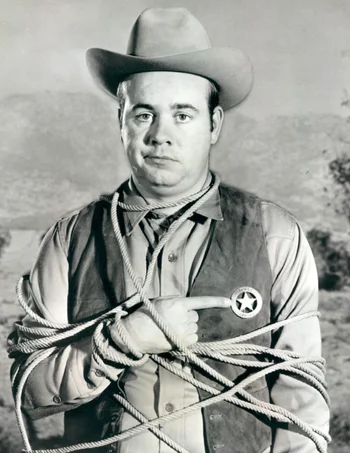
Nicholas P. Dallis
Nicholas P. Dallis led a remarkable double life, practicing psychiatry by day while secretly writing some of the most enduring soap-opera comic strips in American newspapers. Born on December 15, 1911, he channeled his medical training into Rex Morgan, M.D., then went on to create Judge Parker and Apartment 3-G, shaping the serialized 'story strip' genre for decades. To protect his professional reputation, he wrote under the pseudonyms Dal Curtis and Paul Nichols, keeping his comics career largely separate from his medical identity.
From Medicine to the Comics Page
Nicholas Peter Dallis trained and worked as a psychiatrist, building a respected medical career long before he became known as a comic strip writer. His clinical background gave him firsthand insight into hospitals, patient care, and the emotional lives of doctors and their families—material he would later draw on for his storytelling. Like many physicians of his generation, Dallis balanced the demands of medical practice with a deep interest in storytelling and public communication. Rather than abandon medicine, he found a way to merge the two worlds, using his professional knowledge to inform fictional narratives aimed at a broad newspaper readership. This grounding in real medical and psychiatric practice would become the defining feature of his most famous creation, setting his work apart from typical adventure or gag strips of the era and establishing him as a pioneer of realistic, issue-driven serialized comics.
Creating Rex Morgan, Judge Parker, and Apartment 3-G
In 1948, Dallis launched Rex Morgan, M.D., a daily soap-opera strip following a small-town doctor, writing it under the pseudonym Dal Curtis to keep his medical practice separate from his comics work. The strip used its medical setting to educate readers about health issues while delivering ongoing melodrama, and it quickly became a fixture in American newspapers. Building on that success, Dallis created Judge Parker in 1952, writing as Paul Nichols and shifting the setting to the courtroom and legal world, again blending procedural detail with serialized personal drama. In 1961, he introduced Apartment 3-G, centered on three young women sharing a New York City apartment, broadening his focus beyond professional settings to explore contemporary social and romantic themes. Across all three strips, Dallis pioneered a distinctive style of continuity comics that prioritized realistic professional detail, emotional storytelling, and long-running plotlines, influencing the broader genre of soap-opera comic strips throughout the mid-to-late twentieth century.
Did You Know?
Dallis was so determined to keep his psychiatric practice separate from his comics career that he wrote under two different pseudonyms—Dal Curtis for Rex Morgan, M.D. and Paul Nichols for Judge Parker—so readers and colleagues wouldn't necessarily connect the strips to him or to each other.
Legacy in American Comics
Nicholas P. Dallis died on November 6, 1991, but the strips he created outlived him by decades, continuing under other writers and artists long after his death. Rex Morgan, M.D., Judge Parker, and Apartment 3-G each ran for many years in newspapers nationwide, cementing Dallis's reputation as one of the most influential figures in the soap-opera comic strip tradition. His approach—grounding serialized fiction in the authentic details of medicine, law, and everyday urban life—helped legitimize continuity strips as a respected form of newspaper storytelling. By separating his comics career from his medical identity through pseudonyms, Dallis also became a notable example of a professional maintaining parallel public personas. His creations remain touchstones for fans of classic newspaper comics, remembered for their earnest tone, topical relevance, and dedication to portraying professional life with unusual accuracy for the medium.