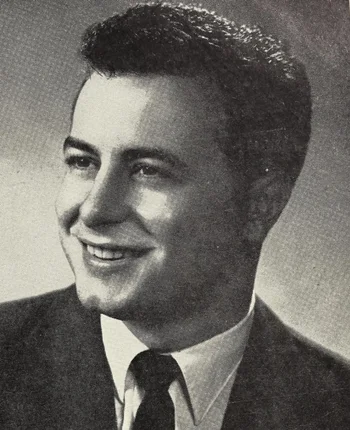
Nicole Krauss
August 18, 1974 — New York City, United States
Nicole Krauss is an American novelist celebrated for her intricately woven narratives exploring memory, loss, and identity. Best known for her international bestseller The History of Love, she has established herself as one of contemporary literature's most acclaimed voices, with her work translated into 35 languages. Her fiction has appeared in prestigious publications including The New Yorker, Harper's, and Esquire, earning her numerous literary honors.
Early Life and Education
Nicole Krauss was born on August 18, 1974, and grew up on Long Island, New York, in a family with roots spanning several countries, an experience that would later inform the transnational, multigenerational scope of her fiction. She attended Stanford University, where she studied English and was mentored by renowned literary figures who encouraged her early creative ambitions. Krauss continued her education at Oxford University and later studied art history at the Courtauld Institute in London, pursuits that sharpened her attention to visual detail and historical texture, qualities that would become hallmarks of her prose. Even before completing her formal studies, she had begun publishing poetry, signaling the literary path she would soon follow. Her multicultural upbringing and rigorous academic background combined to give her fiction a distinctive blend of intellectual depth and emotional intimacy, setting the stage for a career devoted to exploring themes of displacement, inheritance, and the search for connection across generations and continents.
Literary Career and Major Works
Krauss published her debut novel, Man Walks into a Room, in 2002, earning immediate critical attention for its exploration of memory and identity. She achieved widespread acclaim with her second novel, The History of Love (2005), a poignant, interlocking story that became an international bestseller and cemented her reputation as a major literary voice. She followed this success with Great House (2010), a novel structured around a desk passed between owners, which won the Anisfield-Wolf Book Award in 2011 for its unflinching examination of trauma and inheritance. Her fourth novel, Forest Dark (2017), continued her exploration of identity through a narrative split between two characters seeking transformation in Israel. Beyond her novels, Krauss's short fiction appeared in The Best American Short Stories collections in 2003, 2008, and 2019, as well as in Granta's Best of Young American Novelists list. In 2020, she published To Be a Man, a short story collection that further showcased her mastery of the form and went on to win the Wingate Literary Prize in 2022.
Did You Know?
Nicole Krauss's novel Great House centers on a massive desk that passes between several owners across decades, serving as a powerful symbol connecting seemingly unrelated characters and storylines. The novel's inventive structure helped it win the prestigious Anisfield-Wolf Book Award in 2011.
Legacy and Influence
Nicole Krauss's body of work has secured her a lasting place among contemporary literature's most respected authors, admired for her ability to weave together disparate narrative threads into emotionally resonant wholes. Her novels, translated into 35 languages, have introduced readers worldwide to her distinctive meditations on memory, loss, and the resilience of the human spirit across generations. The critical and commercial success of The History of Love in particular helped bring literary fiction with complex, nonlinear structures to a broad readership, influencing a generation of novelists interested in intergenerational storytelling. Her recognition through prestigious awards, including the Anisfield-Wolf Book Award and the Wingate Literary Prize, underscores the depth and craftsmanship of her writing. As she continues to publish acclaimed fiction, Krauss remains a vital figure in American letters, respected for her intellectual rigor, emotional honesty, and willingness to experiment with narrative form while never losing sight of the deeply human stories at the heart of her work.