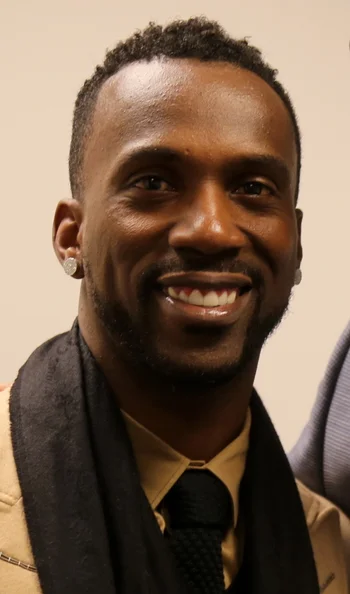
Pat Burrell
October 10, 1976 — Eureka, California, United States
Pat Burrell, nicknamed "Pat the Bat," was an American professional baseball outfielder who spent 12 seasons in Major League Baseball. A powerful right-handed slugger, he became a cornerstone of the Philadelphia Phillies' lineup before winning a second championship with the San Francisco Giants. Burrell's combination of size, power, and postseason success made him one of the more memorable sluggers of his era.
Early Life and Amateur Career
Patrick Brian Burrell was born on October 10, 1976, in Eureka, California. He grew up with a passion for baseball and developed into a standout amateur player, eventually earning a scholarship to the University of Miami, one of the premier college baseball programs in the country. At Miami, Burrell established himself as one of the top power hitters in college baseball, showcasing the blend of size and strength that would define his professional career. Standing 6 feet 4 inches tall and weighing 235 pounds, he possessed the physical tools scouts covet in a middle-of-the-order slugger. His standout performances with the Hurricanes drew significant attention from professional scouts, and he emerged as one of the most highly regarded amateur players in the nation. In 1998, the Philadelphia Phillies selected Burrell with the first overall pick in the MLB draft, a testament to the impact he had made at the collegiate level. This selection set the stage for his rapid ascension through the Phillies' minor league system and his eventual debut in the major leagues just two years later.
Major League Career
Burrell debuted in the majors with the Philadelphia Phillies and quickly became a key power threat in their lineup, playing primarily as a corner outfielder. Known for his ability to hit for both average and power, he developed a reputation as a feared hitter capable of altering the outcome of a game with one swing. His most celebrated moment with the Phillies came in 2008, when he helped lead the team to a World Series championship, contributing key hits throughout the postseason run that ended the franchise's 28-year title drought. After nearly a decade in Philadelphia, Burrell signed with the Tampa Bay Rays, though his tenure there was brief and less productive. He found a career revival with the San Francisco Giants, joining the team in 2010 and providing veteran leadership and clutch hitting during their playoff push. That season culminated in a second World Series title for Burrell, this time with the Giants, cementing his legacy as a player who consistently rose to the occasion in October. Over his career, he hit for substantial power, finishing with numbers that placed him among the more productive corner outfielders of his generation.
Did You Know?
Pat Burrell was selected first overall in the 1998 MLB Draft by the Philadelphia Phillies after a standout career at the University of Miami. He went on to win two World Series titles a decade apart—first with the Phillies in 2008, then with the San Francisco Giants in 2010—making him one of the few players to capture championships with two different franchises late in his career.
Later Life and Legacy
Burrell retired from professional baseball in 2011 after his second World Series championship with the Giants, closing out a career defined by power hitting and postseason success. Following his playing days, he remained connected to the sport, taking on roles within the Giants organization, including work in player development and scouting, drawing on his experience as a former first overall draft pick and championship player. His legacy is closely tied to two franchises: as a Phillies fan favorite who helped restore the team to championship contention, and as a Giants contributor whose veteran presence aided a team on the rise. Nicknamed "Pat the Bat" throughout his career, Burrell is remembered as one of the more accomplished power hitters of his generation, someone who validated his status as the top pick in his draft class by delivering consistent production and, ultimately, two World Series rings. His story remains a notable example of a player who found renewed success later in his career after a franchise change, illustrating the impact a veteran slugger can have on a young, talented roster in pursuit of a title.