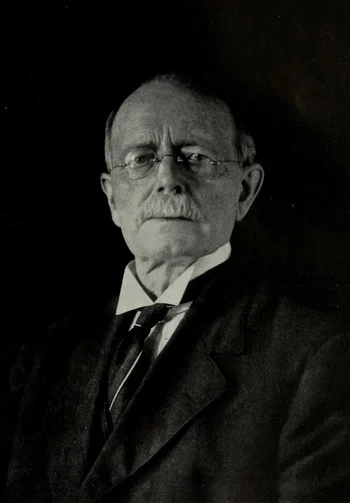
Paul Jones
February 24, 1942 — Portsmouth, England
Paul Jones is an English singer, actor, harmonicist, and broadcaster who rose to fame in the 1960s as the original lead vocalist of the rock band Manfred Mann. His distinctive voice powered a string of British chart hits, and he went on to build a varied career spanning film, theatre, and decades of blues radio broadcasting.
Early Life
Paul Jones was born Paul Pond on February 24, 1942, in Portsmouth, England. He developed a passion for American blues and R&B as a teenager, immersing himself in the records of artists like Muddy Waters and Sonny Boy Williamson that were beginning to circulate among young British musicians in the late 1950s. He attended Oxford University, where he studied but ultimately gravitated toward the burgeoning London blues and R&B scene rather than academic life. During this period he crossed paths with future members of the Rolling Stones and other musicians who would help shape the British blues revival. Adopting the stage name Paul Jones, he began performing with various bands around London, honing his skills as both a vocalist and a harmonica player. His combination of natural charisma, striking looks, and authentic feel for blues phrasing made him stand out in a crowded scene of aspiring young singers eager to bring American blues sounds to British audiences. These formative years set the stage for his rapid rise to fame when he joined forces with keyboardist Manfred Mann and other musicians to form what would become one of the defining bands of the British Invasion era.
Manfred Mann and Musical Success
In 1962, Paul Jones became the original lead singer and harmonicist of Manfred Mann, a band that quickly became one of Britain's most successful pop and R&B acts. With Jones fronting the group, Manfred Mann scored numerous hit singles, including the chart-topping "Do Wah Diddy Diddy" in 1964 and the enduring classic "Pretty Flamingo" in 1966. His soulful vocal delivery and skillful harmonica playing gave the band a distinctive sound that set them apart from many of their British Invasion contemporaries. Jones remained with Manfred Mann until 1966, when he departed to pursue a solo career and explore opportunities in acting. His solo recordings included the hit "High Time" and the theme song for the film "Privilege," in which he also starred alongside model Jean Shrimpton, marking his transition into screen acting. Throughout the late 1960s and beyond, Jones balanced music with stage and film work, appearing in West End theatre productions and taking on dramatic roles. He never entirely left music behind, and his reputation as a blues harmonica virtuoso continued to grow even as he diversified his creative pursuits across multiple entertainment mediums.
Did You Know?
Before adopting his stage name, Paul Jones was born Paul Pond. He also starred alongside 1960s supermodel Jean Shrimpton in the 1967 film 'Privilege,' for which he wrote and performed the title song.
Later Career and Legacy
Paul Jones cemented his lasting connection to blues music in 1979 when he co-founded The Blues Band, a group that became a fixture of the British blues circuit and toured for decades, keeping traditional blues alive for new generations of listeners. He also became one of Britain's most respected blues broadcasters, hosting BBC Radio 2's long-running "Rhythm and Blues Show," through which he introduced countless listeners to both classic and contemporary blues artists. Jones periodically reunited with his former Manfred Mann bandmates as The Manfreds, performing their 1960s hits for enthusiastic audiences at festivals and concerts across the UK. His career has spanned acting, presenting, and music, reflecting a rare versatility among performers of his generation. Widely regarded as one of Britain's finest white blues harmonica players, Jones influenced countless musicians who followed in his footsteps during the ongoing British blues revival. His decades of work as a broadcaster further cemented his role as an ambassador for the genre. Today, Paul Jones is remembered both for the youthful pop stardom of his Manfred Mann years and for his enduring, lifelong dedication to authentic blues music.