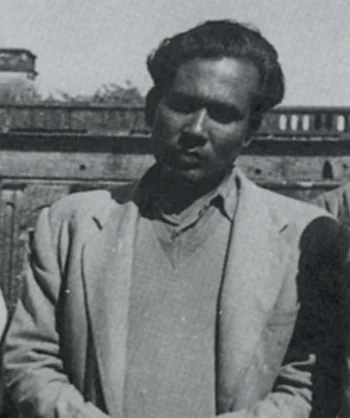
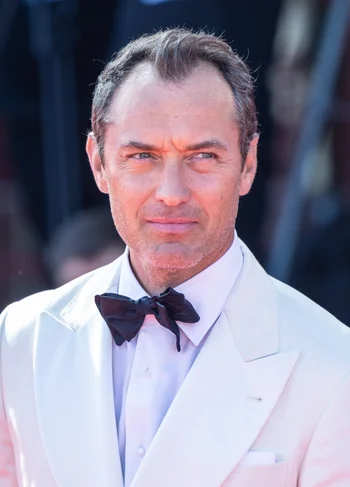
Ray Thomas
December 29, 1941 — January 4, 2018 — Stourport-on-Severn, England
Ray Thomas was an English musician, singer, and songwriter best known as a founding member of the progressive rock band the Moody Blues. His haunting flute solo on the 1967 hit single 'Nights in White Satin' became one of the defining musical moments of the progressive rock genre. Thomas helped shape the Moody Blues' distinctive orchestral rock sound across a career spanning decades.
Early Life
Raymond Thomas was born on December 29, 1941, in Stourport-on-Severn, Worcestershire, England. Growing up in the post-war Midlands, he developed an early passion for music, particularly drawn to singing and the flute, an instrument that would later become his signature contribution to rock music. As a teenager, he became friends with fellow musician Mike Pinder, and the two performed together in various local bands throughout the late 1950s and early 1960s. This partnership proved foundational, as Thomas and Pinder would go on to be core members in the formation of what became the Moody Blues. Their shared musical ambitions and complementary talents set the stage for one of the most influential progressive rock bands of the era. Before achieving fame, Thomas honed his craft playing in Birmingham's vibrant music scene, absorbing influences from rhythm and blues and rock and roll that were sweeping Britain at the time. These formative years gave him the versatility and stage experience that would serve him well once the Moody Blues began their rise to international prominence.
Career and the Moody Blues
In 1964, Ray Thomas co-founded the Moody Blues in Birmingham, initially performing rhythm and blues covers. The band's sound evolved dramatically with the 1967 album 'Days of Future Passed,' which fused rock with orchestral arrangements and helped pioneer the progressive rock and art rock genres. The album's centerpiece, 'Nights in White Satin,' featured Thomas's evocative flute solo, which became instantly recognizable and is still regarded as one of the defining instrumental passages in rock history. Thomas contributed vocals, flute, and songwriting to numerous Moody Blues albums throughout the late 1960s and 1970s, including 'In Search of the Lost Chord,' 'On the Threshold of a Dream,' and 'Seventh Sojourn.' He wrote and sang several notable tracks, including 'Legend of a Mind,' a tribute to LSD guru Timothy Leary, and 'Eyes of a Child.' His flute playing added a distinctive orchestral texture that helped define the band's lush, symphonic style, setting the Moody Blues apart from many of their rock contemporaries. Thomas remained an integral member of the band through multiple decades of touring and recording before retiring from performing in 2002 due to health concerns.
Did You Know?
Ray Thomas's flute solo on 'Nights in White Satin' was so influential that it helped popularize the flute as a legitimate rock instrument, inspiring countless progressive rock musicians. He also wrote 'Legend of a Mind,' a Moody Blues song paying tribute to psychedelic icon Timothy Leary, famously repeating the line 'Timothy Leary's dead.'
Later Life and Legacy
After stepping back from touring in 2002, Ray Thomas largely retreated from public life, settling in Surrey, England. He battled prostate cancer in his later years, a struggle that ultimately led to his death on January 4, 2018, at his home in Surrey, just days after what would have been his 76th birthday. His passing came shortly before a major career honor: in 2018, the Moody Blues, including Thomas, were posthumously inducted into the Rock and Roll Hall of Fame, recognizing the band's lasting influence on rock music. Thomas's contributions, particularly his flute work and his role in blending classical and rock sensibilities, left an indelible mark on the progressive rock genre. 'Nights in White Satin' remains a staple of classic rock radio, and Thomas's solo within it continues to be studied and admired by musicians for its emotional depth and technical grace. His legacy endures not only through the Moody Blues' extensive catalog but also through his influence on the broader use of orchestral and woodwind instrumentation in rock music, paving the way for future progressive rock acts to experiment beyond traditional guitar-based arrangements.