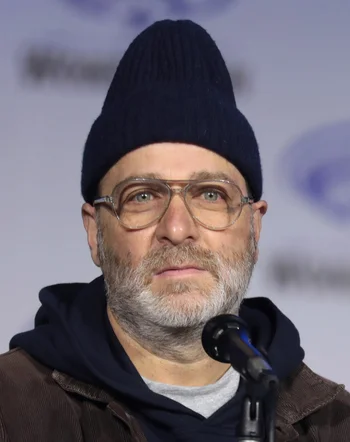
Scott Raynor
May 23, 1978 — Poway, California, United States
Scott Raynor is an American musician best known as the founding drummer of the pop-punk band Blink-182. Recruited into the group at just 14 years old, he helped shape the band's early sound across their formative demo and first two albums before departing in 1998. His energetic, precise drumming laid the rhythmic foundation for a band that would go on to become one of the defining acts of pop-punk.
Early Life and Introduction to Drumming
Scott William Raynor Jr. was born on May 23, 1978, in Poway, California, a suburb of San Diego. He gravitated toward music in his preteen years, and the drums quickly became his primary focus. Growing up in the San Diego area during the early 1990s, Raynor was immersed in a thriving Southern California punk and skate culture that would later influence the sound he helped create. His talent behind the kit developed rapidly, and by his early teenage years he had already built a reputation among local musicians as a skilled young drummer. This early promise caught the attention of guitarist Tom DeLonge and bassist Mark Hoppus, who were looking to form a band in the Poway area. Raynor's youth made his invitation into the group especially notable — at only 14 years old, he became the youngest member of what would become Blink-182, joining musicians several years his senior. His early start gave him a foundational role in shaping the band's sound from its very inception, well before the group had any inkling of the mainstream success that awaited them.
Founding Member of Blink-182
Raynor spent six formative years as the drummer for Blink-182, contributing to the band's earliest and most foundational releases. He played on the group's first demo tape, Buddha, released in 1994, which captured the raw, fast-paced energy that would define their early style. The following year, Raynor recorded drums for the band's official debut studio album, Cheshire Cat (1995), helping establish Blink-182's reputation within the Southern California pop-punk scene. His most significant commercial achievement came with Dude Ranch, released in 1997, which eventually achieved gold certification and included the breakout single 'Dammit,' a song that introduced the band to a much wider national audience. Raynor's drumming throughout this period combined speed and precision, complementing DeLonge and Hoppus's melodic, high-energy songwriting. Despite this growing success, Raynor's tenure with the band came to an abrupt end in 1998, when he was dismissed from the group. He was replaced by Travis Barker, who would go on to drum on Blink-182's biggest commercial albums and become one of the most recognizable drummers in modern rock music.
Did You Know?
Scott Raynor joined Blink-182 at just 14 years old, making him the youngest founding member of the band. Despite his young age, he drummed on the band's gold-certified album Dude Ranch before being replaced by Travis Barker in 1998.
Legacy and Later Life
Although Scott Raynor's time in Blink-182 ended before the band achieved its greatest fame, his contributions to their earliest work remain an essential part of the group's history and origin story. As the original drummer, he was present for the band's formation and creative development during a crucial period, helping to record the material that established their sound and early fanbase. Following his departure from Blink-182, Raynor stepped back from the high-profile music industry spotlight, and he is remembered primarily for his foundational role rather than for a prolific solo career afterward. Fans and music historians continue to recognize Raynor's importance in the Blink-182 story, particularly in discussions of the band's formative years in Poway, California, and the transition from local punk act to platinum-selling group. His story is often cited as an example of how founding band members can shape a group's identity even if they do not remain for its most commercially successful chapter. Raynor's legacy endures through the recordings he left behind on Buddha, Cheshire Cat, and Dude Ranch.