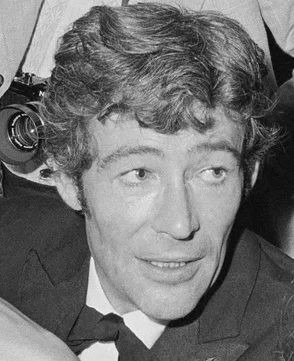
Steve Hillage
August 2, 1951 — England
Steve Hillage is an English guitarist celebrated for his adventurous, psychedelic playing style and his central role in the Canterbury scene of progressive rock. Over a career spanning more than five decades, he has moved fluidly between prog rock, space rock, and electronic dance music, leaving a distinctive mark on each. His work with bands like Gong and Khan, his solo albums, and later his electronic project System 7 have made him one of Britain's most versatile and influential guitarists.
Early Life and Musical Beginnings
Stephen Simpson Hillage was born on August 2, 1951, in England. He developed an early fascination with guitar and psychedelic music during the late 1960s, a period of intense experimentation in British rock. As a teenager, he became involved with the burgeoning Canterbury scene, a loose collective of musicians based around Canterbury, Kent, known for blending jazz, psychedelia, and progressive rock into a distinctive, whimsical sound. Hillage's technical skill and interest in extended improvisation quickly set him apart from his peers. He formed and joined early bands while still developing his signature style, characterized by fluid, effects-laden guitar work and a spiritual, exploratory approach to composition. These formative years established the foundation for a career defined by genre-crossing curiosity, as Hillage absorbed influences ranging from jazz fusion to Indian classical music, all of which would surface in his later recordings and performances with various groups throughout the 1970s.
Rise Through Uriel, Khan, and Gong
Hillage's professional career began in earnest with Uriel, an early band that laid groundwork for his later collaborations. He then joined Khan, a Canterbury scene group that showcased his increasingly sophisticated guitar technique within a progressive rock framework. His most significant early achievement came through his association with Gong, the influential psychedelic and space rock collective led by Daevid Allen. With Gong, Hillage contributed to their celebrated Radio Gnome Invisible trilogy, helping craft the band's whimsical, cosmic mythology through soaring, effects-drenched guitar lines. His playing became a defining element of the group's sound. Alongside his band work, Hillage launched a successful solo career in the mid-1970s, releasing acclaimed albums such as "Fish Rising" and "L" that combined virtuosic guitar work with spacey, atmospheric production, often in collaboration with producer and future partner Miquette Giraudy.
Did You Know?
Steve Hillage played guitar on Gong's celebrated Radio Gnome Invisible trilogy before reinventing himself decades later as an electronic music artist with System 7, proving his psychedelic sensibility could translate seamlessly from 1970s space rock to 1990s dance music.
Later Career and Lasting Influence
In the late 1980s and into the 1990s, Hillage reinvented himself for the electronic age by forming System 7 with Miquette Giraudy, embracing ambient, techno, and dance music while retaining his psychedelic sensibilities. This transition demonstrated his remarkable adaptability, translating the improvisational spirit of his rock years into the emerging electronic music scene, where System 7 gained recognition within the acid house and trance communities. Hillage has continued to perform, record, and collaborate across genres, maintaining relevance across changing musical eras. His guitar work remains widely respected among musicians and fans of progressive and psychedelic rock, and his influence extends to generations of guitarists drawn to his expansive, effects-based approach. As both a rock innovator and an electronic music pioneer, Steve Hillage's career reflects a rare ability to evolve while staying true to an underlying spirit of sonic exploration, securing his legacy as a uniquely versatile figure in British music history.