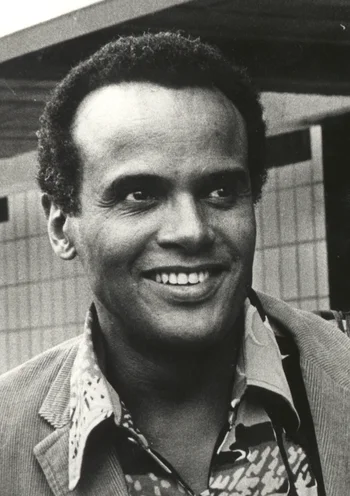
Vladimir Dimitrov
March 1, 1882 — September 29, 1960 — Shishkovtsi, Bulgaria
Vladimir Dimitrov, known affectionately across Bulgaria as 'Maystora' (the Master), was one of the country's most gifted and original 20th-century painters. Through his richly colored canvases of peasants, saints, and the Kyustendil countryside, he forged a uniquely Bulgarian artistic voice that blended folk tradition, Byzantine influence, and modern expressionism. He remains, in the eyes of many critics, the most remarkable stylist in Bulgarian painting of the post-Russo-Turkish War era.
Early Life and Training
Vladimir Dimitrov was born in 1882 in the village of Shishkovtsi, near the town of Kyustendil in southwestern Bulgaria, a region whose rolling hills, orchards, and rural communities would shape his art for the rest of his life. Raised amid the customs and labor of village life, he absorbed from an early age the rhythms of peasant existence and the vivid folk costumes and rituals that would later dominate his canvases. Recognizing his talent for drawing, he pursued formal art education, studying at Bulgaria's fledgling art institutions during a period when the country's cultural identity was still being defined following its liberation from Ottoman rule. He later traveled abroad to broaden his artistic education, exposing himself to contemporary European movements while remaining deeply rooted in his native surroundings. This combination of academic training and unshakeable attachment to his birthplace gave his work an unusual tension between sophistication and raw, earthy authenticity. By the time he returned permanently to the Kyustendil region, he had begun developing the distinctive visual language—bold color, monumental figures, and spiritual intensity—that would define his mature style and earn him his enduring nickname.
Artistic Career and Major Works
Dimitrov became renowned for his paintings of Bulgarian peasants, particularly women in traditional dress, whom he portrayed with a monumental dignity that elevated everyday rural subjects to near-iconic status. His palette was extraordinarily vivid, drawing comparisons to Byzantine icon painting and folk art traditions while also reflecting an awareness of European Fauvism and Expressionism. Rather than settling in Sofia or another cultural capital, he chose to live and work largely in Kyustendil, finding endless inspiration in its orchards, harvest festivals, and the faces of local villagers. His subjects ranged from portraits and genre scenes to religious and allegorical compositions, all rendered with an intensity of color and emotion that set him apart from his contemporaries. Alongside his painting, he worked as a teacher, passing his artistic philosophy and technical mastery on to younger generations of Bulgarian artists. His reputation grew steadily throughout his lifetime, and he came to be regarded as a national treasure whose work captured something essential about Bulgarian identity, spirituality, and connection to the land during a century of rapid political and social change.
Did You Know?
Vladimir Dimitrov earned the nickname 'Maystora,' meaning 'the Master,' from his fellow Bulgarians in recognition of his extraordinary talent. Despite opportunities to base his career in the capital, he chose to spend most of his life in his native Kyustendil region, finding his richest subject matter among the local peasants and orchards rather than in the city.
Later Years and Legacy
In his later years, Dimitrov continued painting prolifically, deepening his exploration of peasant life, religious themes, and the landscapes of his beloved Kyustendil region. He donated a large body of his work to the Bulgarian state, ensuring that future generations could access his art, and an art gallery bearing his name was established in Kyustendil to house and preserve his legacy. He died on September 29, 1960, having lived to see his reputation cemented as one of Bulgaria's foremost painters. Today, Vladimir Dimitrov-Maystora is celebrated as a defining figure of modern Bulgarian art, admired for his fearless use of color, his monumental treatment of ordinary rural subjects, and his ability to fuse folk tradition with modernist sensibility. His paintings are held in major Bulgarian museums and continue to be studied for their unique synthesis of national identity and artistic innovation. The gallery devoted to his work remains a pilgrimage site for art lovers, and his nickname 'Maystora' endures as shorthand for artistic mastery in Bulgarian culture.