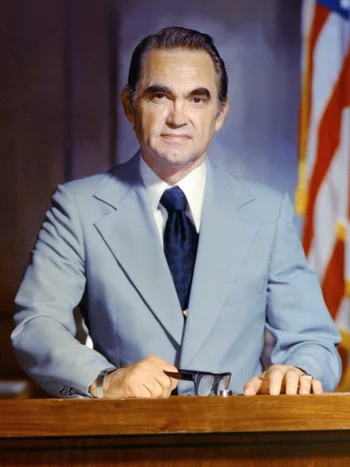
Willy DeVille
August 25, 1950 — August 6, 2009 — Stamford, Connecticut, United States
Willy DeVille was an American singer-songwriter whose distinctive blend of Latin rhythms, blues, doo-wop, and French cabaret made him a singular voice in American music. As frontman of Mink DeVille and later as a solo artist, he built a 35-year career defined by artistic integrity rather than mainstream fame. He died on August 6, 2009, leaving behind a body of work admired by critics and fellow musicians alike.
Early Life
Willy DeVille was born William Borsey Jr. on August 25, 1950, in Stamford, Connecticut, and raised in nearby Norwalk. Drawn to music from an early age, he immersed himself in the sounds of doo-wop, early rock and roll, and rhythm and blues that filled the airwaves of his youth. As a young man, he left home to pursue a career in music, eventually adopting the stage name Willy DeVille. His travels took him to London during the early 1970s, where he briefly connected with the city's burgeoning pub rock scene before returning to the United States. He eventually settled in New York City, drawn to the raw creative energy emerging from downtown venues. It was there, amid the city's punk and new wave underground, that he found the environment to develop his own musical identity—one that looked backward toward American roots music even as it took shape alongside more experimental contemporaries. This grounding in traditional forms, absorbed during his formative years, would remain the bedrock of his songwriting for the rest of his career.
Career with Mink DeVille and Beyond
In 1974, DeVille formed the band Mink DeVille, which became a fixture at the legendary New York club CBGB alongside acts like Television, Blondie, and the Ramones—though musically, DeVille stood apart from the punk scene, favoring soulful, romantic songcraft over raw aggression. The band signed with Capitol Records and released its debut album, "Mink DeVille," in 1977, featuring the song "Spanish Stroll," which became a hit in Europe. Over the next decade, Mink DeVille released several acclaimed albums blending R&B, Latin soul, and rock. DeVille collaborated with an impressive range of musicians and producers, including Jack Nitzsche, Doc Pomus, Dr. John, Mark Knopfler, Allen Toussaint, and Eddie Bo, each collaboration deepening the roots-music textures of his sound. After Mink DeVille disbanded in 1986, DeVille continued recording as a solo artist, releasing albums that further explored Cajun music, blues, and French chanson influences. In 1987, he co-wrote and performed "Storybook Love," the theme song for the film "The Princess Bride," which earned him an Academy Award nomination for Best Original Song—one of the most mainstream recognitions of his career.
Did You Know?
Willy DeVille's song "Storybook Love," written for the 1987 film "The Princess Bride," earned him an Academy Award nomination for Best Original Song—a rare brush with Hollywood recognition for an artist who otherwise remained an underground favorite.
Later Life and Legacy
Throughout the 1990s and 2000s, DeVille continued to tour and record, maintaining a devoted following, particularly in Europe, even as he never achieved major commercial success in the United States. He battled personal struggles, including addiction, but persevered creatively, releasing albums that showcased his evolving musicianship and genre-spanning ambitions. In 2008, DeVille was diagnosed with pancreatic cancer. He continued performing and recording despite his illness, releasing his final studio album, "Pistola," in 2008. He died on August 6, 2009, in New York City at age 58. DeVille's legacy rests on his refusal to conform to musical trends, instead crafting a body of work that honored the diverse traditions of American and Latin music while filtering them through his own romantic, world-weary sensibility. Musicians and critics have long praised his songwriting and his soulful, distinctive voice, and he remains a cult favorite among fans of roots-oriented rock. Though he never achieved widespread commercial stardom, his influence persists among artists who value authenticity and genre-blending craftsmanship over chart success.