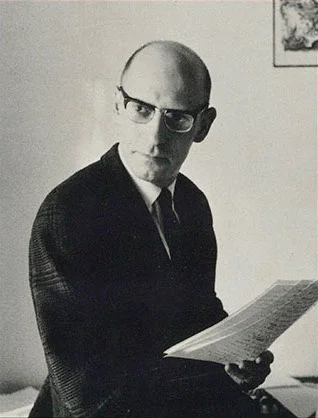
Alan W. Livingston
October 15, 1917 — March 13, 2009 — McDonald, Pennsylvania, United States
Alan W. Livingston was an American businessman and entertainment executive whose career spanned children's records, network television, and the modern music industry. He is remembered for creating the beloved character Bozo the Clown, helping conceive the iconic circular Capitol Records Building in Hollywood, launching NBC's long-running hit Bonanza, and steering Capitol Records into the rock era by releasing the Beatles' music in America.
Early Life and Entry into Entertainment
Alan Wendell Livingston was born on October 15, 1917, in McDonald, Pennsylvania. He grew up with an interest in music and entertainment that would shape his entire professional life. After completing his education, Livingston made his way into the entertainment business, eventually landing at Capitol Records, a label founded just a few years earlier in 1942. Joining as a young writer and producer in the late 1940s, he quickly demonstrated a talent for identifying commercial opportunities that blended creativity with mass appeal. It was during this early period at Capitol that he conceived one of his most enduring contributions to popular culture: Bozo the Clown. Livingston developed Bozo as the centerpiece of a series of illustrated read-along children's book-and-record sets, a format that combined storytelling, music, and visual engagement for young audiences. The character became immensely popular and was later adapted into television programming that entertained generations of children across the United States. This early success established Livingston as an innovative thinker capable of creating cultural touchstones from original concepts, foreshadowing the broader influence he would have on both the recording and broadcasting industries in the decades that followed.
Shaping Capitol Records and Network Television
Livingston's influence at Capitol Records extended beyond children's entertainment. He is credited with suggesting the distinctive circular design for the Capitol Records Building in Hollywood, an architectural landmark that opened in 1956 and remains one of the most recognizable structures in the music industry. His creative instincts and business acumen soon attracted attention beyond the record label, leading him to NBC, where he became vice-president in charge of programming. In this role, Livingston oversaw the development and 1959 launch of Bonanza, a Western drama that became NBC's most successful television series and one of the longest-running shows in American television history, airing for fourteen seasons. His ability to recognize and cultivate hit programming demonstrated a versatility that few executives of his era possessed, moving seamlessly between the recording industry and network broadcasting. In 1960, Livingston returned to Capitol Records, where he faced the challenge of adapting the label to the rapidly changing musical landscape of the 1960s. Under his leadership, Capitol pivoted decisively toward rock music, a shift that would prove transformative not only for the company but for the broader trajectory of American popular music.
Did You Know?
Before shaping the fortunes of the Beatles in America, Alan Livingston created Bozo the Clown as a character for children's read-along record sets in the late 1940s—a character that would go on to become a beloved television icon performed by numerous actors across the country for decades.
The Beatles Deal and Lasting Legacy
Perhaps Livingston's most consequential business decision came when he championed the release of the Beatles' music through Capitol Records in the United States, reversing the label's earlier rejection of the band's first singles. This decision positioned Capitol at the forefront of the British Invasion and helped fuel Beatlemania across America, generating enormous commercial success for the label and cementing the Beatles' place in U.S. music history. Livingston's willingness to reconsider an earlier misstep and capitalize on emerging musical trends showcased the sharp instincts that had defined his entire career. He continued to work within the entertainment industry, leaving a legacy defined by his rare ability to succeed across multiple sectors of media—children's entertainment, television programming, and the recording business. Livingston died on March 13, 2009, in Los Angeles, California, at the age of 91. His contributions remain woven into American popular culture: Bozo the Clown continued to entertain children long after his creation, the Capitol Records Building still stands as a Hollywood icon, Bonanza remains a touchstone of classic television, and the Beatles' American success through Capitol Records reshaped the music industry for generations to come.