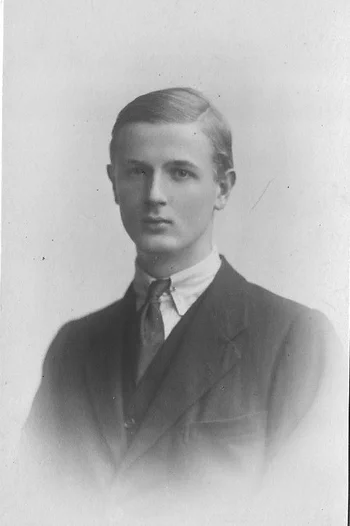
Alfred Gwynne Vanderbilt Sr.
October 20, 1877 — May 7, 1915 — New York City, United States
Alfred Gwynne Vanderbilt Sr. was an American businessman, heir, and sportsman born into one of the Gilded Age's wealthiest families. Renowned for his passion for coaching and horse breeding, he helped popularize both pursuits among American high society. His life ended tragically in 1915 when he went down with the RMS Lusitania, an act of courage during the disaster cementing his legacy.
Early Life and Family
Alfred Gwynne Vanderbilt was born on October 20, 1877, in New York City, the son of Cornelius Vanderbilt II and Alice Claypoole Gwynne. As a great-grandson of shipping and railroad magnate Cornelius Vanderbilt, he was raised amid immense wealth and privilege at the height of the Gilded Age. Educated at Yale University, though he did not graduate, Alfred was groomed from a young age to eventually assume responsibility for portions of the family's vast business empire. When his older brother Cornelius Vanderbilt III fell out of favor with their father over his marriage choice, Alfred unexpectedly became the principal heir to his father's fortune upon Cornelius II's death in 1899. This sudden elevation placed him, at just 21 years old, in control of one of the largest inheritances in American history, along with significant obligations tied to the family's railroad interests and its unfinished mansion, The Breakers, in Newport, Rhode Island. This early responsibility shaped his lifelong balancing act between business duties and his true passions in the world of sport.
Business Ventures and Sporting Passions
As a businessman, Vanderbilt served on the board of the New York Central Railroad, continuing the family's historic association with American rail transportation, and he also financed the construction of the Vanderbilt Hotel in Manhattan. However, he was best known as a sportsman who threw himself into pursuits reflecting both wealth and tradition. He became a passionate advocate of coaching, the elegant art of driving four-in-hand horse-drawn carriages, and served as president of the Coaching Club, helping revive interest in this aristocratic pastime in America. Vanderbilt was also deeply devoted to horse racing and breeding, establishing Sagamore Farm in Maryland as a premier thoroughbred operation. His dedication to horsemanship extended to competitive driving, where he won numerous prizes and awards. Beyond these pursuits, he was an enthusiastic yachtsman and outdoorsman, embodying the sporting lifestyle cultivated by wealthy American families of his era. His combination of business obligation and genuine sporting expertise made him a prominent, if somewhat unconventional, figure among the Vanderbilt clan.
Did You Know?
Alfred Gwynne Vanderbilt reportedly could not swim, yet survivors of the Lusitania disaster recalled him giving his own life vest to a mother and her baby moments before the ship sank, sacrificing his chance of survival to save theirs.
The Lusitania Disaster and Legacy
On May 7, 1915, Alfred Gwynne Vanderbilt was aboard the RMS Lusitania when a German U-boat torpedoed the ocean liner off the coast of Ireland, killing nearly 1,200 passengers and crew. According to survivor accounts, Vanderbilt, though reportedly unable to swim himself, gave his own life vest to a mother traveling with an infant, helping to save their lives while sacrificing his own chance of survival. His body was never recovered from the wreck. His death, alongside that of other prominent Americans, intensified public outrage in the United States over German submarine warfare and contributed to the shifting tide of American opinion that eventually helped draw the nation into World War I. Vanderbilt's legacy endured through his son, Alfred Gwynne Vanderbilt Jr., who inherited Sagamore Farm and became a celebrated figure in thoroughbred racing, owning the champion racehorse Native Dancer. The elder Vanderbilt is remembered both for his contributions to American sporting culture and for the heroism attributed to him in his final moments, a story that became emblematic of grace under catastrophe.