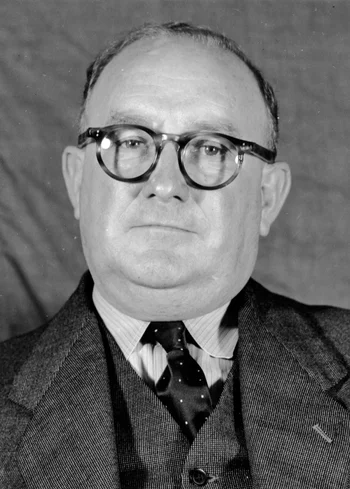
Bobby Riggs
February 25, 1918 — October 25, 1995 — Los Angeles, California, United States
Bobby Riggs was an American tennis champion who dominated the sport in the late 1930s and 1940s, reaching world No. 1 as both an amateur and a professional. Decades after his playing prime, he became a household name for challenging women's tennis star Billie Jean King in a widely watched 1973 exhibition match known as the 'Battle of the Sexes.' Riggs's blend of athletic talent and showmanship made him one of tennis's most memorable and controversial figures.
Early Life and Rise in Amateur Tennis
Robert Larimore Riggs was born on February 25, 1918, in Los Angeles, California. He grew up in a large family and discovered tennis as a boy, quickly showing a natural aptitude for the game despite his relatively small stature. Riggs developed a crafty, tactical playing style built on precise shot placement, spin, and mental gamesmanship rather than overpowering strength, traits that would define his approach throughout his career. He rose rapidly through the junior and collegiate ranks, attending the University of Southern California, and by his early twenties had established himself as one of the top amateur players in the United States. His success culminated in 1939, when he swept major amateur titles, including Wimbledon, and was recognized as the world's top-ranked amateur player, cementing his reputation as a formidable competitor on the international stage.
Professional Career and Championship Dominance
Riggs turned professional and played his first professional match on December 26, 1941, entering the tightly contested world of pro tennis, which at the time excluded top amateurs from competing in prestigious amateur tournaments. Professional tennis in that era relied on barnstorming tours, pitting the sport's best players against one another in matches across the country. Riggs proved just as dominant as a professional as he had been as an amateur, earning the world No. 1 professional ranking in both 1946 and 1947. His success against fellow professional greats demonstrated that his tactical intelligence and consistency translated seamlessly from the amateur ranks to the pro circuit. Riggs became known not only for his playing ability but also for his sharp competitive instincts and willingness to wager on his own matches, foreshadowing the showmanship that would later define his public image far beyond the tennis court.
Did You Know?
In 1939, Bobby Riggs reportedly placed a substantial bet on himself to win the singles, doubles, and mixed doubles titles at Wimbledon that year — a feat he accomplished, reportedly earning him a significant payout alongside his championship trophies.
Later Life, the Battle of the Sexes, and Legacy
After his playing career wound down, Riggs remained a visible figure in tennis, known for his outspoken personality and love of competition and gambling on sports of all kinds. In 1973, at age 55, he orchestrated a highly publicized exhibition match against 29-year-old Billie Jean King, dubbed the 'Battle of the Sexes,' after previously defeating Margaret Court in a similar match. Framing himself as a self-proclaimed male chauvinist, Riggs drew massive media attention to the event, which was watched by tens of millions of television viewers worldwide. King defeated him decisively in straight sets, a result that became a landmark moment in the history of women's sports and gender equality. Riggs died in 1995, but the match remains one of the most culturally significant events in tennis history, and Riggs is remembered both for his genuine championship pedigree and for his role in a spectacle that helped reshape public perceptions of women's athletics.