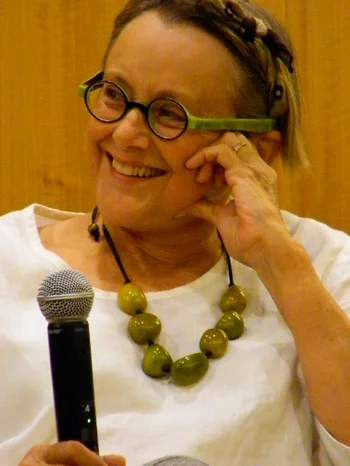
Douglas A. Melton
Douglas A. Melton is an American medical researcher renowned for his pioneering work in stem cell biology and diabetes research. As a longtime Harvard University professor and Howard Hughes Medical Institute investigator, he helped establish the field of stem cell and regenerative biology as a formal academic discipline. Melton's research, driven partly by his own children's diagnoses with type 1 diabetes, has led to major advances in generating insulin-producing cells from stem cells.
Early Life and Education
Douglas A. Melton was born on September 26, 1953, in the United States. He pursued his undergraduate studies before earning advanced degrees that positioned him for a career in developmental biology and molecular genetics. Melton's early academic training focused on understanding the fundamental processes governing cell development and differentiation, laying the groundwork for his later groundbreaking research into stem cells. His scientific curiosity was shaped by rigorous training in molecular biology during a period when the field was rapidly expanding, offering new tools to probe the mysteries of cellular development. This foundation would prove essential as he transitioned into academia and began building a research program at Harvard University, where he would spend the majority of his career. Melton's early work established him as a talented developmental biologist, setting the stage for his eventual pivot toward stem cell research—a shift that was deeply personal, motivated by his desire to find better treatments for type 1 diabetes after both of his children were diagnosed with the disease.
Career and Major Achievements
Melton held the prestigious position of Xander University Professor at Harvard University and served as an investigator at the Howard Hughes Medical Institute until 2022. He co-directed the Harvard Stem Cell Institute and was an original co-chairman of Harvard's Department of Stem Cell and Regenerative Biology, helping to institutionalize the study of stem cells within academic medicine. Melton's research focused heavily on generating functional insulin-producing beta cells from stem cells, aiming to develop a potential cure for type 1 diabetes. Beyond his academic achievements, Melton played a significant entrepreneurial role in translating scientific discoveries into real-world therapies. He was involved in founding several influential biotechnology companies, including Gilead Sciences, Ontogeny, iPierian, and Semma Therapeutics—the latter focused specifically on stem cell-derived diabetes treatments and was later acquired by Vertex Pharmaceuticals. His dual role as both a rigorous academic scientist and a biotech entrepreneur allowed him to bridge the gap between laboratory discovery and clinical application, accelerating the pace at which stem cell research could benefit patients.
Did You Know?
Douglas Melton's pivot into stem cell and diabetes research was deeply personal—both of his children were diagnosed with type 1 diabetes, inspiring him to dedicate decades of research toward finding a cure through stem cell-derived insulin-producing cells.
Legacy and Recognition
Douglas A. Melton's contributions to science have been widely recognized through his membership in prestigious organizations, including the National Academy of Sciences and the American Academy of Arts and Sciences. He is also a founding member of the International Society for Stem Cell Research, reflecting his foundational role in establishing stem cell biology as a legitimate and impactful scientific field. Melton's work has had a profound impact on diabetes research, bringing the scientific community closer to viable stem cell-based therapies for the disease. His efforts in founding companies like Semma Therapeutics, later acquired by Vertex Pharmaceuticals, have translated academic research into tangible medical advancements that may one day transform diabetes treatment. Melton's legacy extends beyond his own discoveries; through his leadership at Harvard's stem cell programs, he trained and influenced a generation of scientists who continue to push the boundaries of regenerative medicine. His career exemplifies how personal motivation—rooted in his family's experience with diabetes—can drive scientific innovation with far-reaching benefits for public health.