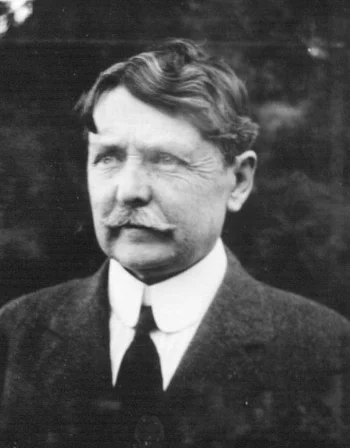
Gerard Manley Hopkins
Gerard Manley Hopkins was a highly influential figure in Victorian literature—an acclaimed English poet who also served as a priest. His work is celebrated not only for its deep spiritual themes but also for its radical formal innovations, cementing his place among the leading poets of England.
Early Life and Education
While detailed early life information is limited to this source, Hopkins's career trajectory reveals a deep commitment to both academia and religion. He was educated in an environment that shaped his intellectual curiosity and spiritual devotion. His eventual calling as a Jesuit priest suggests a rigorous academic background coupled with intense theological study. This foundation provided him with the philosophical and religious framework that would permeate his poetry throughout his life, making his artistic output deeply interwoven with Catholic thought.
Poetic Innovation and Spiritual Calling
Hopkins is primarily recognized for being a profound innovator in English prosody. His most notable technical achievement was the development of 'sprung rhythm,' a technique that dramatically alters traditional meter to create a sense of organic energy and intensity within the verse. Beyond his rhythmic breakthroughs, his poetry is characterized by its vivid use of imagery and nature as vehicles for praise. He masterfully employed these elements to express praise for God, transforming natural observations into spiritual meditations. This unique synthesis of form and faith established him as a groundbreaking voice.
Did You Know?
Hopkins's concept of sprung rhythm is arguably his most significant contribution to literary form; it radically departs from traditional metrical patterns by mimicking the natural stresses and rhythms found in spoken, emotional language.
Legacy and Enduring Impact
Though many of his works were published posthumously, Hopkins's influence on subsequent generations of poets has been immense. His commitment to praising God through the physical world—the 'vivid use of imagery and nature'—gave him a unique philosophical depth. Critics view his poetry as a remarkable blend of intense personal spirituality and technical brilliance. His contributions ensured that he was recognized not merely as a religious writer, but as an artist whose formal innovations reshaped the landscape of English verse.