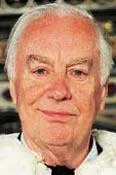
John Bonham
May 31, 1948 — September 25, 1980 — Redditch, England
John Bonham was an English drummer best known as the driving force behind the legendary rock band Led Zeppelin. Renowned for his thunderous power, blistering speed, and unmatched sense of groove, he transformed rock drumming and remains one of the most influential percussionists in music history. His life was tragically cut short in 1980, but his impact on the sound of rock music endures to this day.
Early Life and Musical Beginnings
John Henry Bonham was born in 1948 in Redditch, Worcestershire, England, into a working-class family. He began playing drums as a young child, reportedly using containers and household items as makeshift kits before receiving his first proper drum set as a teenager. His early influences included jazz drummers and big band players, whose techniques for dynamics and syncopation would later shape his signature style. Bonham left school to work as a carpenter alongside his father, but music remained his true passion, and he spent his evenings and weekends performing with local bands around the Birmingham area. His raw talent and forceful playing style quickly earned him a reputation among fellow musicians in the regional club scene. By his late teens, he had built a name for himself as one of the hardest-hitting and most technically skilled drummers in the area, playing with numerous local groups and honing the powerful, distinctive sound that would eventually define one of the biggest rock bands in history.
Rise to Fame with Led Zeppelin
In 1968, Bonham was recruited by guitarist Jimmy Page to join a new band that would become Led Zeppelin, alongside singer Robert Plant and bassist John Paul Jones. Bonham's explosive, technically dazzling drumming became a cornerstone of the band's sound, propelling classic tracks such as "Whole Lotta Love," "Kashmir," and "When the Levee Breaks." His extended drum solo showcase, "Moby Dick," became a live concert staple that highlighted his extraordinary technique and stamina. Bonham was celebrated for his fast single-footed kick drumming, his ability to play with tremendous power while maintaining subtlety and feel, and his innovative use of triplets and syncopation. Led Zeppelin rose to become one of the best-selling and most influential rock bands of all time, and Bonham's drumming was frequently cited by critics and fellow musicians as integral to the band's massive, heavy sound. Throughout the 1970s, he toured extensively and recorded on all of the band's studio albums, cementing his reputation as a drummer without peer in the rock world.
Did You Know?
John Bonham's thunderous drum sound on "When the Levee Breaks" was captured by recording him in a stone stairwell at Headley Grange, using distant microphones to capture the room's natural reverb. The resulting drum break has since become one of the most sampled recordings in music history, used in countless hip-hop and pop songs.
Death and Enduring Legacy
John Bonham died on September 25, 1980, at the age of 32, after a night of heavy drinking at guitarist Jimmy Page's home in Windsor, England. His death led to the dissolution of Led Zeppelin later that year, as the remaining members felt the band could not continue without him. Decades later, Bonham's influence remains profound and far-reaching: he is consistently ranked among the greatest drummers in rock history by musicians, critics, and publications alike. His playing inspired generations of drummers across genres, from hard rock to metal to hip-hop, with his drum sound on tracks like "When the Levee Breaks" becoming one of the most sampled recordings in music. His son, Jason Bonham, became a successful drummer in his own right, carrying forward his father's musical legacy, including performances with the surviving members of Led Zeppelin. John Bonham's combination of raw power, technical mastery, and deep musical feel continues to be studied and celebrated by drummers worldwide.