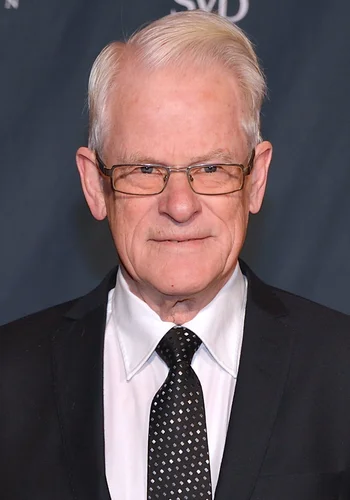
Moeletsi Mbeki
November 9, 1945 — Idutywa, South Africa
Moeletsi Mbeki is a South African political economist, businessman, and author whose sharp critiques of post-apartheid economic policy have made him one of the country's most influential public intellectuals. The younger brother of former President Thabo Mbeki and son of anti-apartheid leader Govan Mbeki, he has carved out an independent voice, frequently challenging the African National Congress from within his own family's political tradition. He is widely known for his book 'Architects of Poverty' and his leadership role at the South African Institute of International Affairs.
Early Life and Exile
Moeletsi Goduka Mbeki was born on November 9, 1945, into one of South Africa's most politically consequential families. His father, Govan Mbeki, was a leading figure in the African National Congress and a fellow prisoner of Nelson Mandela on Robben Island, while his mother, Epainette Mbeki, ran a rural trading store and was herself a committed activist. Growing up under apartheid, Moeletsi was steeped in political struggle from childhood, though he would ultimately pursue a path distinct from his father's and brother's direct involvement in ANC leadership structures. Like many opponents of the apartheid regime, he spent years in exile, during which he studied and worked abroad, developing the economic and analytical training that would define his later career. His exile years exposed him to international economic thinking and journalism, experiences that shaped his later skepticism toward simple ideological solutions to Africa's development challenges. This period also deepened the intellectual independence for which he later became known, setting him apart from the more orthodox ANC positions embraced by other members of his family.
Career as an Economist and Analyst
After South Africa's transition to democracy, Moeletsi Mbeki built a career as a political economist, businessman, and commentator rather than as a politician. He became deputy chairman of the South African Institute of International Affairs (SAIIA), an independent research institute based at the University of the Witwatersrand, where he has shaped debate on governance, trade, and economic development across Africa. He also served as a political and economic analyst for Nedcor Bank, offering business leaders insight into the continent's shifting political risks, and became a member of the executive council of the London-based International Institute for Strategic Studies (IISS). His most influential contribution came with his 2009 book, 'Architects of Poverty: Why African Capitalism Needs Changing,' in which he argued that Africa's political elites had failed to build productive economies, relying instead on resource extraction and patronage networks that entrenched poverty. The book sparked wide debate for its unsparing critique of both colonial legacies and post-independence African governments, including the ANC itself. Mbeki also built business interests, applying his economic theories in practice as an entrepreneur and investor.
Did You Know?
Despite being the brother of former President Thabo Mbeki and son of Robben Island prisoner Govan Mbeki, Moeletsi Mbeki has built his reputation largely on publicly criticizing ANC economic policy, including decisions made during his own brother's presidency.
Public Voice and Legacy
Moeletsi Mbeki has become known as one of South Africa's most outspoken critics of ANC governance, unafraid to challenge policies even when they were shaped or defended by his own brother, former President Thabo Mbeki. He has warned repeatedly about the dangers of political elites capturing economic resources without fostering broad-based industrial development, and he has been a vocal skeptic of policies like Black Economic Empowerment, arguing they often enriched a small connected elite rather than transforming the wider economy. His willingness to publicly criticize his brother's presidency, and later ANC leadership more broadly, distinguished him from many prominent voices tied closely to the ruling party. Through his writing, media commentary, and institutional roles, he has influenced how South Africans and international observers understand the country's post-apartheid economic trajectory. His legacy lies in his insistence that political liberation must be matched by genuine economic transformation, a message that continues to resonate amid ongoing debates over inequality, unemployment, and governance in South Africa and the broader African continent.