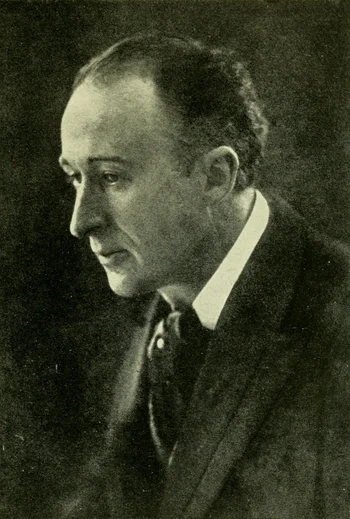
Paul Rabaut
January 29, 1718 — September 25, 1794 — Bédarieux, France
Paul Rabaut was a French Huguenot pastor who became the de facto leader of the underground Protestant movement known as the Church of the Desert during a period of intense religious persecution in France. For more than thirty years, he ministered to his scattered flock while living as a fugitive, earning a reputation as both a skilled peacemaker and a devoted scholar. His quiet perseverance helped preserve French Protestantism through one of its darkest chapters.
Early Life and Calling
Paul Rabaut was born in 1718 in the south of France, into a region where Protestant worship had been officially outlawed since the revocation of the Edict of Nantes in 1685. Huguenots who refused to convert to Catholicism faced imprisonment, execution, or the galleys, forcing believers to worship in secret gatherings held in forests, caves, and remote countryside — a movement that became known as the Church of the Desert. Growing up amid this clandestine religious culture, Rabaut developed a strong sense of faith and duty from an early age. Despite the enormous risks, he felt called to the pastorate, a vocation that in his time carried the near-certainty of persecution. He pursued theological training in secret, as no legal seminaries existed for Protestant ministers in France, and prepared himself for a life of service that he knew would require constant vigilance and sacrifice. His early formation instilled in him not only doctrinal knowledge but also the practical wisdom needed to guide a community living entirely outside the protection of the law.
Leading the Church of the Desert
Rabaut was ordained and began his ministry among the Huguenots of Languedoc, quickly emerging as one of the most trusted and capable leaders of the underground church. For more than thirty years, he lived like a fugitive, moving from hiding place to hiding place, sometimes dwelling in caves or makeshift shelters to evade capture — an existence so austere that observers described him as living like a troglodyte. Despite these dangerous conditions, he organized secret assemblies, trained other pastors, and worked to maintain unity among Protestant congregations scattered across the region. He became widely regarded as the effective director of the entire proscribed church, corresponding with Protestant leaders abroad and advocating for tolerance whenever possible. Rabaut distinguished himself as a peacemaker, urging restraint among Huguenots who might have been tempted toward violent resistance, and instead promoting patient endurance and appeals to reason. He was also a scholar, producing writings that defended Protestant beliefs and documented the sufferings of his community, ensuring that the plight and perseverance of the Huguenots were recorded for future generations.
Did You Know?
For more than thirty years, Paul Rabaut lived as a fugitive to avoid arrest for practicing his Protestant faith, often hiding in caves and rough shelters — a lifestyle so extreme that contemporaries described him as living like a troglemite, or cave-dweller.
Later Years and Legacy
As the eighteenth century progressed, official attitudes toward Protestants in France began to soften, partly due to the efforts of tolerant thinkers and partly through the quiet, steady influence of leaders like Rabaut. He lived to see the beginnings of a shift toward greater religious freedom, culminating in the Edict of Versailles of 1787, which granted Protestants civil status and the right to worship without fear of the harshest penalties. Rabaut died in 1794, having witnessed the dramatic upheavals of the French Revolution, which further transformed the religious landscape of France. His decades of steadfast leadership had helped preserve the Huguenot faith through its most perilous period, bridging the gap between the brutal repression of the early eighteenth century and the eventual establishment of religious liberty. Rabaut's legacy endured through his son, Jean-Paul Rabaut Saint-Étienne, who became a prominent Protestant advocate and revolutionary politician, carrying forward his father's commitment to tolerance and reform onto the national stage. Paul Rabaut is remembered today as a symbol of quiet courage and faithful endurance under persecution.