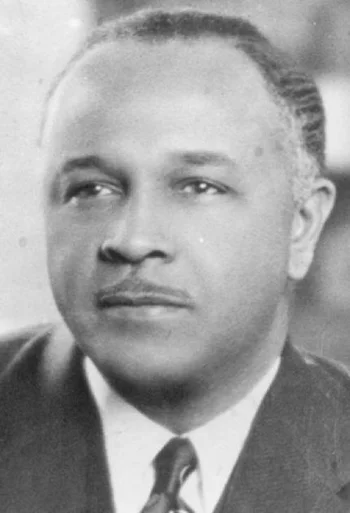
Percy Lane Oliver
April 11, 1878 — 1944 — London, England
Percy Lane Oliver was a British civil servant who pioneered the concept of organized, unpaid blood donation. In 1921, a chance encounter with an urgent hospital request led him to establish the world's first volunteer blood transfusion service, a model that would spread across Britain and influence blood donation systems worldwide.
Early Life
Percy Lane Oliver was born on April 11, 1878, in London, England. Little is documented about his early education or family background compared to the impact of his later humanitarian work, but he grew into a dedicated public servant with a strong commitment to community service. By the early twentieth century, Oliver had settled into work as a civil servant, and he also devoted significant time to voluntary organizations, eventually becoming involved with the British Red Cross Society. His position within the Camberwell division of the Red Cross in south London placed him in a role that, while administrative in nature, connected him directly to community health needs. This background as a layman rather than a medical professional would prove significant, as it meant Oliver approached the problem of blood supply not through clinical training but through organizational ingenuity and social coordination, qualities that would define his later achievement in founding the world's first volunteer blood donor panel.
Founding the Blood Donor Service
In 1921, while working for the Camberwell Red Cross, Oliver received an urgent call from a local hospital desperately in need of a blood donation for a patient. At the time, no formal system existed for locating willing and compatible donors quickly, and transfusions often depended on chance or paid donors, a practice viewed with suspicion because financial incentive could compromise honesty about health or blood type. Recognizing this gap, Oliver organized a panel of volunteers whose blood types were already known and recorded, so that when hospitals needed blood, a suitable donor could be summoned rapidly. Crucially, Oliver insisted that donors act purely out of altruism, receiving no payment, a radical departure from prevailing practice that helped establish trust in the reliability and safety of transfusions. Starting with just 20 volunteers, Oliver ran the service from his own London home, personally coordinating calls from hospitals and matching them with available donors. His system combined meticulous record-keeping with an appeal to civic duty, and it proved remarkably effective, growing steadily as word spread of its life-saving success throughout the 1920s and 1930s.
Did You Know?
Percy Lane Oliver ran the world's first volunteer blood donor service directly from his own home in London, personally fielding urgent calls from hospitals and coordinating donors himself. What began with just 20 volunteers in 1921 had swelled to roughly 2,700 by 1938, all without a single donor ever being paid.
Legacy and Impact
By 1938, Oliver's voluntary blood donation service had expanded from its original 20 volunteers to approximately 2,700 donors, demonstrating the scalability and public appeal of his altruistic model. His approach was soon adopted throughout Britain, forming the conceptual foundation for what would eventually become the National Blood Transfusion Service, and it also influenced blood donation systems established in other countries around the world. Oliver's insistence on unpaid, voluntary donation established an ethical standard that remains central to blood banking today, prioritizing donor honesty and public trust over financial incentive. He continued his humanitarian work until his death in 1944. Today, Percy Lane Oliver is remembered as a foundational figure in the history of transfusion medicine, a layman whose practical response to a single emergency call reshaped how societies organize life-saving blood supplies. His legacy endures every time a volunteer rolls up their sleeve to give blood without expectation of payment, a testament to the enduring power of his original vision of community-based, altruistic donation.