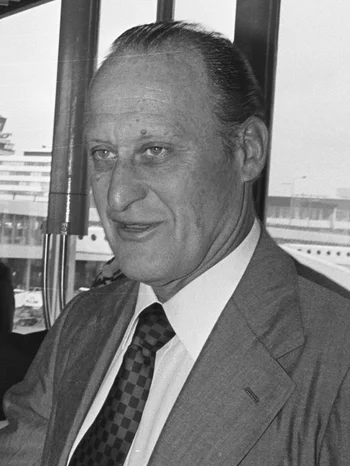
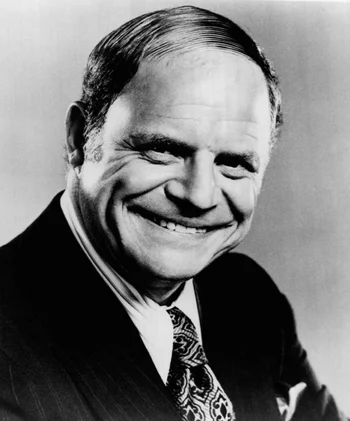
Sloan Wilson
May 8, 1920 — May 25, 2003 — Norwalk, Connecticut, United States
Sloan Wilson was an American novelist best known for The Man in the Gray Flannel Suit, a 1955 bestseller that captured the anxieties of postwar corporate America and gave the English language a lasting idiom. His writing, drawn heavily from his own experiences in business, journalism, and the military, resonated with millions of readers navigating the conformity and ambition of 1950s suburban life. Wilson's work helped define an era and remains a touchstone for understanding mid-century American culture.
Early Life and Education
Sloan Wilson was born on May 8, 1920, in Norwalk, Connecticut, into a family that valued literature and education. He grew up in a household where his father wrote books on art history, and this early exposure to writing shaped his ambitions from a young age. Wilson attended Harvard University, where he studied English and began to hone the craft that would later define his career. His education was interrupted by World War II, during which he served in the United States Coast Guard, an experience that took him to dangerous Atlantic and Pacific waters and left a lasting impression on his worldview. The discipline, danger, and camaraderie of wartime service became recurring themes in his later fiction. After the war, Wilson returned to civilian life carrying both a journalist's eye for detail and a novelist's sense of narrative, setting the stage for the career that would soon bring him national attention.
Career and The Man in the Gray Flannel Suit
After the war, Wilson worked as a journalist and in public relations, jobs that gave him an intimate view of the corporate culture he would later dissect in fiction. In 1955, he published The Man in the Gray Flannel Suit, a novel following a World War II veteran struggling to reconcile his wartime past with the pressures of corporate ambition, suburban family life, and personal integrity. The book became an instant bestseller and a cultural phenomenon, so widely read that its title entered everyday language as shorthand for buttoned-up corporate conformity. In 1956, the novel was adapted into a acclaimed film starring Gregory Peck, further cementing its place in American popular culture. Wilson followed this success with other novels, including A Summer Place (1958), which was also adapted into a popular film, and later works such as Ice Brothers, drawing on his Coast Guard service. Throughout his career, he continued to write about American ambition, moral compromise, and the tension between personal authenticity and societal expectation.
Did You Know?
The title of Sloan Wilson's 1955 novel, The Man in the Gray Flannel Suit, became such a widely used cultural shorthand that the phrase is still used today to describe corporate conformity, decades after the book's publication.
Later Life and Legacy
In his later years, Wilson taught creative writing at several universities, sharing his craft with new generations of writers while continuing to publish fiction and nonfiction. Though none of his later works achieved the cultural impact of The Man in the Gray Flannel Suit, he remained a respected literary figure whose insights into American life continued to resonate. Wilson died on May 25, 2003, at the age of 83. His legacy endures primarily through his signature novel, which is still studied and referenced as a defining portrait of 1950s American corporate and suburban anxiety. The phrase "man in the gray flannel suit" remains embedded in the American lexicon, a testament to how thoroughly his work captured a moment in the nation's cultural history. Scholars and readers continue to revisit his fiction as a lens into the pressures of postwar prosperity and the search for meaning beyond material success.