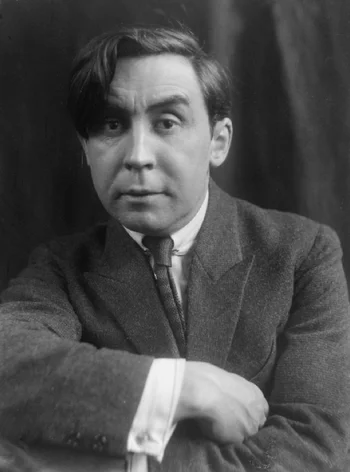
Soko Richardson
Eulis Soko Richardson was an American rhythm and blues drummer whose nearly five-decade career placed him behind the kit for some of the most influential acts in blues and soul music. He is best remembered for helping shape Ike & Tina Turner's explosive cover of Creedence Clearwater Revival's 'Proud Mary,' an arrangement that transformed the song into a soul classic. Along the way, he also lent his rhythmic sensibility to John Mayall's Bluesbreakers, cementing his reputation as a versatile and in-demand session and touring drummer.
Early Life
Eulis Soko Richardson was born on December 8, 1939, into an era when rhythm and blues was emerging as a distinct and powerful force in American popular music. Like many musicians of his generation, he came of age surrounded by the sounds of blues, gospel, and early rock and roll that were reshaping the American musical landscape. Details of his upbringing remain scarce, but his eventual mastery of the drums points to years of dedicated practice and immersion in the rhythm and blues circuit that thrived in clubs and dance halls across the country. By the time he began performing professionally, Richardson had developed a deep pocket and a keen sense of groove that would make him a sought-after collaborator. His early years as a working musician likely involved touring with regional bands and backing traveling revues, a common path for drummers seeking to build reputations before landing spots with major acts. This grounding in live performance would serve him well throughout a career defined by adaptability, tight musicianship, and an instinct for arrangement that went beyond simple timekeeping.
Career and Major Achievements
Soko Richardson's career eventually spanned almost fifty years, during which he became a fixture in both American rhythm and blues and the British blues scene. He performed and recorded with John Mayall's Bluesbreakers, the pioneering British blues-rock outfit that served as a training ground for many legendary guitarists and musicians, lending his rhythmic expertise to a band deeply rooted in American blues traditions. Richardson also became a key member of the Ike & Tina Turner Revue, one of the most electrifying live acts of the 1960s and 1970s, known for its high-energy performances and tightly choreographed showmanship. It was within this dynamic setting that Richardson made his most lasting contribution to popular music: his innovative arrangement of the Ike & Tina Turner version of Creedence Clearwater Revival's 'Proud Mary.' The arrangement, famous for beginning 'nice and easy' before building into a driving, soulful groove, became one of the most celebrated reinterpretations in R&B history and helped earn Tina Turner a Grammy Award. Richardson's drumming provided the backbone for this transformation, showcasing his ability to reshape a song's identity through rhythm alone.
Did You Know?
Soko Richardson's arrangement for Ike & Tina Turner's version of 'Proud Mary' introduced the now-famous slow, sultry build-up before the song erupts into its high-energy finish. This reworking helped the single become one of Tina Turner's signature performances and contributed to the duo winning a Grammy Award.
Legacy and Impact
Soko Richardson's influence endures primarily through the enduring popularity of Ike & Tina Turner's 'Proud Mary,' a song that remains a staple of American music decades after its release and continues to introduce new generations to Richardson's rhythmic ingenuity. His work bridged American rhythm and blues with British blues-rock, illustrating the transatlantic exchange of musical ideas that defined much of twentieth-century popular music. As a drummer who worked across genres and continents, Richardson exemplified the essential but often uncredited role that session and touring musicians play in shaping iconic recordings. His arrangement instincts, not just his drumming technique, demonstrated that rhythm section players could be creative architects of a song's success rather than mere accompanists. Though he may not have achieved the household-name recognition of the artists he supported, Richardson's fingerprints are audible in some of the most beloved recordings of the R&B era. His career stands as a testament to the vital contributions of sidemen whose musicianship elevates performances into cultural touchstones, ensuring that his legacy lives on every time 'Proud Mary' rolls on the river.