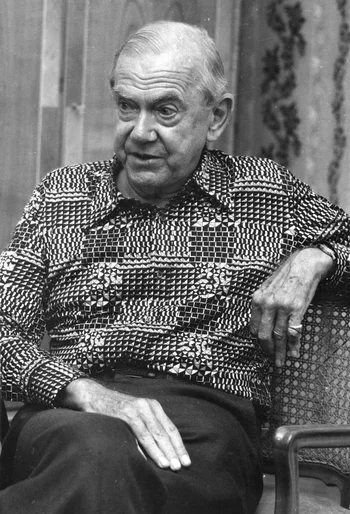
Tiffany Darwish
October 2, 1971 — Norwalk, California, United States
Tiffany Darwish, known professionally by her first name alone, is an American pop singer who became a teen sensation in the late 1980s. Her cover of "I Think We're Alone Now" topped the Billboard Hot 100 for two weeks in 1987, launching her into pop stardom while she was still a teenager. Her self-titled debut album became a cultural touchstone of 1980s American pop music.
Early Life
Tiffany Renee Darwish was born on October 2, 1971, in Norwalk, California. She showed an early passion for singing and performing, drawing inspiration from country music before shifting toward pop as she entered her teenage years. As a child, she began performing in local venues, honing a distinctive voice that stood out for its maturity despite her young age. Her family recognized her talent early on, and she pursued vocal training and stage experience that would later prove essential to her rapid rise in the music industry. By her early teens, Tiffany had caught the attention of industry professionals who saw potential in her ability to connect with young audiences through relatable, upbeat pop music. This foundation set the stage for a swift and unconventional path to fame, one that would soon see her performing not in traditional concert halls but in an unlikely venue that became central to her early career: shopping malls across America, where she built a devoted teenage fan base before her major breakthrough.
Career Breakthrough
Tiffany's career skyrocketed in 1987 with the release of her self-titled debut album. Rather than relying solely on traditional radio promotion, her label sent her on a now-legendary mall tour across the United States, where she performed live for enthusiastic teenage crowds, generating grassroots buzz. This unconventional marketing strategy paid off spectacularly when her cover of the Tommy James and the Shondells song "I Think We're Alone Now" was released as the album's second single. The song shot to No. 1 on the Billboard Hot 100 chart, where it remained for two weeks, transforming Tiffany into an overnight pop sensation at just 16 years old. The success continued with additional hits, including "Could've Been," which also reached No. 1, solidifying her place among the era's top pop artists. Her debut album eventually topped the Billboard 200 chart and sold millions of copies, making her one of the youngest artists to achieve such commercial success. Tiffany's blend of youthful energy, radio-friendly pop hooks, and an approachable image resonated deeply with a generation of young fans, cementing her legacy as a defining voice of late-1980s pop music.
Did You Know?
Tiffany became famous partly through an unconventional marketing tactic: performing live shows at shopping malls across the United States. This grassroots mall tour helped build the teenage fan base that propelled "I Think We're Alone Now" to No. 1 when she was only 16 years old.
Later Career and Legacy
After her initial burst of fame, Tiffany continued releasing music and worked to transition from teen idol to adult artist, navigating the challenges many young stars face when maturing in the public eye. She continued performing and released subsequent albums, maintaining a dedicated fan base even as mainstream chart success became harder to replicate. Over the following decades, she embraced her nostalgic appeal, participating in numerous 1980s-themed tours and television appearances that celebrated her contributions to pop music history. She also ventured into acting and other entertainment projects, broadening her creative output beyond music. Tiffany's story remains a notable example of the mall-tour marketing phenomenon and the particular dynamics of teen pop stardom in the 1980s. Her signature hit, "I Think We're Alone Now," continues to be recognized as a defining song of its era, frequently referenced in popular culture and covered by other artists. Decades after her initial breakthrough, Tiffany is remembered as a symbol of 1980s pop culture, representing both the excitement and the unique pressures of achieving massive fame as a teenager, while her music continues to resonate with fans who grew up during that transformative decade in American pop music.