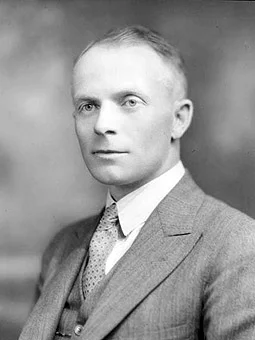
Ben Oakland
September 24, 1907 — January 26, 1979 — New York City, United States
Ben Oakland was an American composer, lyricist, and pianist whose melodies enlivened Broadway stages, vaudeville revues, and Hollywood soundtracks from the 1920s through the 1940s. He is best remembered for penning enduring standards such as 'I'll Take Romance' and 'Java Jive,' as well as contributing to the score of the classic film comedy 'My Little Chickadee.' Oakland's gift for melody made him one of the era's reliable tunesmiths during American popular music's golden age.
Early Life and Musical Beginnings
Ben Oakland was born on September 24, 1907, into an era when American popular music was rapidly transforming under the influence of jazz, vaudeville, and the burgeoning Broadway theater scene. Like many songwriters of his generation, Oakland gravitated toward the piano at a young age, developing the keyboard skills that would later define his career as both a performer and composer. He came of age professionally in the vibrant songwriting culture of Tin Pan Alley and New York's theater district, where aspiring musicians honed their craft by absorbing the popular styles of the day—ragtime, early jazz, and the sentimental ballads that filled vaudeville bills. This environment provided Oakland with both formal and practical training in composition, arranging, and the business of songwriting. By the late 1920s, he had begun placing his work with vaudeville acts and small theatrical productions, gradually building the reputation and connections that would open doors to Broadway and, eventually, Hollywood. His early apprenticeship in the competitive world of popular song set the foundation for a career that would span two decades of American entertainment.
Broadway, Vaudeville, and Hollywood Success
Oakland's career flourished through the 1930s and 1940s as he composed for numerous Broadway productions and vaudeville acts, becoming known for his melodic sensibility and knack for crafting memorable, singable tunes. His song 'I'll Take Romance,' written for the 1937 film of the same name, became one of his most celebrated compositions and endured as a jazz and cabaret standard performed by countless vocalists in the decades that followed. He also co-wrote 'Java Jive,' a playful, rhythmically infectious ode to coffee that became a hit for The Ink Spots and remains a beloved novelty standard. Oakland's talents extended to Hollywood, where he contributed to film scores, most notably composing music for 'My Little Chickadee' (1940), the classic comedy starring W.C. Fields and Mae West. His ability to move fluidly between the stage and screen demonstrated his versatility as a composer capable of writing both theatrical numbers and cinematic underscoring. Throughout this period, Oakland collaborated with various lyricists and performers, cementing his place among the working professionals who supplied the soundtrack to American entertainment during its interwar and wartime heyday.
Did You Know?
Ben Oakland's novelty tune 'Java Jive,' famous for its lyric 'I love coffee, I love tea,' became a surprise hit for The Ink Spots in 1940 and has since been covered by artists ranging from The Manhattan Transfer to countless jazz revivalists, giving a lighthearted coffee jingle unexpected staying power across generations.
Later Years and Lasting Legacy
As the golden age of Broadway and vaudeville songwriting gave way to new musical trends in the postwar decades, Oakland's output slowed, though his earlier compositions continued to resonate with performers and audiences. 'I'll Take Romance' and 'Java Jive' in particular achieved lasting popularity, being recorded and reinterpreted by generations of jazz vocalists, big bands, and swing revivalists long after their original release. These songs helped preserve Oakland's name within the canon of American popular music standards, ensuring his contributions were not forgotten even as the industry moved on from the vaudeville and Tin Pan Alley traditions that shaped his craft. Oakland's legacy rests on his skill as a melodist who could write across genres—romantic ballads, novelty numbers, and film underscoring alike—capturing the spirit of American entertainment during a transformative era. His work remains a touchstone for scholars and enthusiasts of early 20th-century popular music, and his songs continue to be performed and studied as examples of the era's craftsmanship in melody and lyric writing.