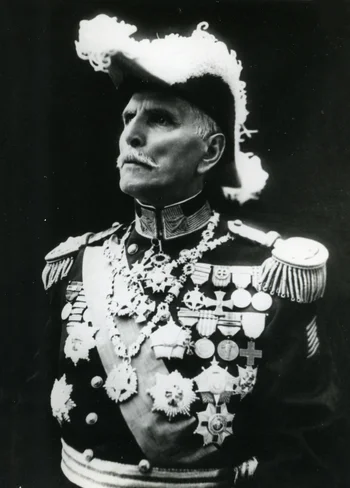
Benedict Arnold
January 14, 1741 — June 14, 1801 — Norwich, Connecticut / London, England
Benedict Arnold was an American general whose remarkable early courage in the Revolutionary War — at Ticonderoga, Quebec, and Saratoga — helped secure American independence, and whose subsequent defection to the British in 1780 made his name the most enduring synonym for treachery in American culture.
Merchant, Patriot, and War Hero
Born in Norwich, Connecticut, on January 14, 1741, Arnold became a prosperous merchant and apothecary before the Revolutionary War. When hostilities broke out in 1775 he immediately joined the Patriot cause, helping Ethan Allen capture Fort Ticonderoga and its cannons — which were dragged to Boston and used to force the British evacuation. He led a grueling midwinter march through the Maine wilderness to assault Quebec, was wounded in the leg, and earned a promotion to brigadier general. At the major victories, his aggressive personal leadership made him one of the Continental Army's most effective combat officers. At the Battle of Saratoga in 1777 — often called the turning point of the war — Arnold's unauthorized charge decisively broke the British line, though he was again severely wounded in the same leg.
Grievances and Defection
Despite his service, Arnold nursed a long list of genuine grievances: Congress repeatedly passed him over for promotion, he faced court martial for minor infractions while commanding Philadelphia (accusations he considered politically motivated), and his second wife Peggy Shippen came from a Loyalist family with British sympathies. He entered into secret correspondence with British General Henry Clinton, and in 1780 plotted to surrender the fortification at West Point in exchange for money and a British commission. The plot was uncovered when American forces captured British Major John André carrying Arnold's coded plans. Arnold escaped to a British vessel; André was hanged. Arnold received his British commission but the promised payment was substantially less than negotiated.
Did You Know?
At Saratoga, Benedict Arnold fought most of the crucial battle under explicit orders not to — he had been relieved of command by General Gates hours before. Disregarding his arrest orders, he rode onto the battlefield, rallied troops, and led the charge that broke the British line. He was struck by a musket ball and his horse fell on the same leg he had been wounded at Quebec. When a soldier suggested finishing off the dying horse, Arnold growled that he wished the ball had hit him instead of the animal.
British Service and Exile
Arnold's remaining years were disappointing. Leading British raids on Virginia and his native Connecticut town of New London (burning it in 1781), he earned the contempt of British officers who viewed traitors with distaste, and the fury of his former countrymen who considered him the ultimate villain. After the war he traded in Canada and the Caribbean before settling in London, where he died on June 14, 1801. The contradiction at the heart of his story — that the man who did more than almost anyone to win American independence at Saratoga also came closer than anyone to causing its defeat — has fascinated historians ever since. In America his given name became an insult; in England he died largely forgotten.