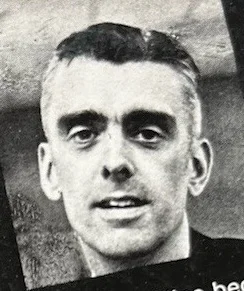
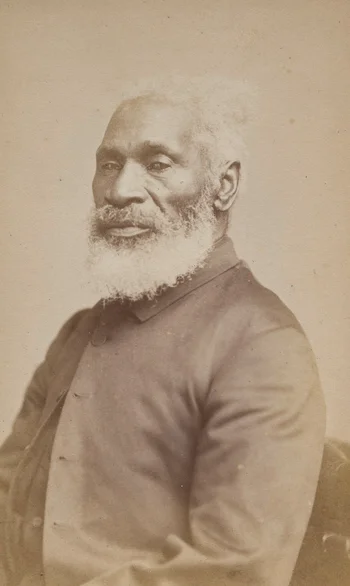
Billy Williams
June 15, 1938 — Whistler, Alabama
Billy Williams was one of the most consistent and underappreciated hitters in baseball history — a Hall of Fame outfielder who spent sixteen seasons with the Chicago Cubs and compiled a .290 career batting average with 426 home runs while somehow remaining in the shadow of his more celebrated teammates Ernie Banks and Ron Santo.
From Alabama to Wrigley
Born on June 15, 1938, in Whistler, Alabama, Williams was signed by the Chicago Cubs organization in 1956. He made brief appearances in the majors in 1959 and 1960 and became a full-time starter in 1961 — the same year he won the National League Rookie of the Year award. Standing 6'1" with a smooth, level swing that earned him the nickname "Sweet Swingin' Billy," Williams quickly established himself as one of the most reliable run producers in the National League. From 1961 through 1973 he was almost never injured and almost never bad. In an era when the Cubs were chronically unable to win a pennant despite having Banks, Santo, and the great pitching of Fergie Jenkins, Williams remained the quiet, steady centerpiece of the lineup.
Consistent Excellence
Between 1961 and 1973, Williams played in 1,117 consecutive games — a National League record at the time. He led the league in batting average in 1972 (hitting .333) and in hits twice. He finished his Cub career with 392 home runs, then played two seasons for the Oakland Athletics, adding 23 more for a career total of 426. He batted over .300 five times and hit more than 25 home runs nine times. He ranked, at his best, among the five or six best hitters in the National League, but the Cubs teams he played on — beloved and losing — meant he never played in a World Series. He was selected for six All-Star Games.
Did You Know?
When Billy Williams broke Stan Musial's National League record for consecutive games played in 1969, he did something characteristically low-key about it: he asked the Cubs to stop the game for a brief ceremony at Wrigley Field, thanked the fans, and then played the rest of the doubleheader. He was so modest and professional that the record-breaking moment received far less attention than it deserved at the time. His consecutive games streak reached 1,117 before he voluntarily benched himself.
Hall of Fame and Lasting Respect
Williams was inducted into the National Baseball Hall of Fame in 1987, his sixth year of eligibility. After retiring as a player he returned to the Cubs organization as a batting instructor and coach and was associated with the franchise for most of his adult life. His number 26 was retired by the Cubs. Longtime observers who watched the 1960s Cubs consider Williams an all-time great who was overlooked primarily because his personality was unassuming and his talent played out on consistently losing teams. Those who batted behind him or pitched against him knew exactly what they were dealing with.