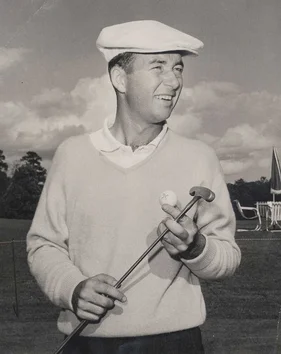
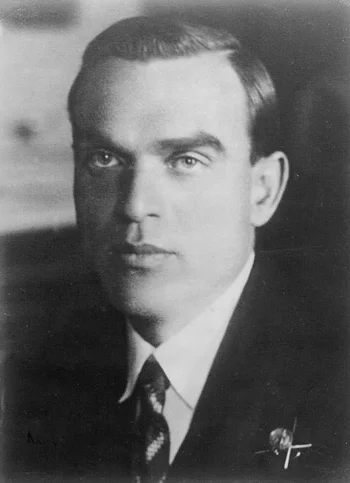
Carl Sanders
May 15, 1925 — November 16, 2014 — Augusta, Georgia, United States
Carl Edward Sanders Sr. was an American lawyer and politician who served as the 74th governor of Georgia from 1963 to 1967. A moderate Democrat during a turbulent era of Southern politics, Sanders steered Georgia toward economic modernization while navigating the pressures of the civil rights movement. He remained an influential figure in Georgia law and business long after leaving public office.
Early Life and Education
Carl Sanders was born on May 15, 1925, in Augusta, Georgia. He grew up during the Great Depression in a modest household that instilled in him a strong work ethic and a commitment to public service. Sanders attended the University of Georgia, where he excelled both academically and athletically, playing football for the Bulldogs before his studies were interrupted by World War II. He served as a pilot in the United States Army Air Forces during the war, an experience that shaped his disciplined, forward-looking approach to leadership. After the war, he returned to the University of Georgia to complete his law degree, graduating in 1948. He then began practicing law in Augusta, quickly building a reputation as a sharp and capable attorney. His early legal career gave him firsthand insight into the economic and social challenges facing Georgia, setting the stage for his entry into state politics in the 1950s.
Political Career and Governorship
Sanders entered politics as a member of the Georgia State Senate, where he served from 1954 to 1962, eventually rising to become President Pro Tempore. In 1962, he was elected the 74th governor of Georgia, defeating former governor Marvin Griffin in a campaign that emphasized progress, education, and moderation on racial issues at a time when many Southern politicians embraced segregationist rhetoric. As governor from 1963 to 1967, Sanders focused heavily on improving Georgia's public education system, expanding the state's university network, and attracting new industry to modernize the economy. He worked to maintain order and stability during the height of the civil rights movement, distancing himself from the harsher segregationist stances of some contemporaries while avoiding direct confrontation with federal civil rights mandates. His administration also emphasized fiscal responsibility and government reorganization, earning him a reputation as a pragmatic, business-friendly reformer. Barred by the state constitution from seeking a consecutive term, Sanders left the governorship in 1967 but remained active in Georgia politics, later mounting an unsuccessful bid to return to the office in 1970.
Did You Know?
Before entering politics, Carl Sanders was a standout football player at the University of Georgia, and his athletic discipline later became part of his public image as a energetic, forward-thinking leader. He was also one of the first Southern governors of his era to be featured on the cover of Time magazine, which highlighted him as a symbol of the 'New South.'
Later Career and Legacy
After leaving the governorship, Carl Sanders returned to the practice of law and built a highly successful legal and business career in Atlanta, founding a prominent law firm that bore his name. He remained a respected elder statesman in Georgia politics, often consulted by later governors and business leaders on matters of economic development and governance. Sanders was also involved in banking, sports, and civic organizations, reflecting his broad influence beyond public office. He is remembered as a transitional figure who helped move Georgia away from the old segregationist politics of the mid-20th century toward a more modern, economically progressive South. Historians credit his tenure with laying groundwork for the state's later growth and for helping change the national perception of Georgia during a pivotal era. Carl Sanders died on November 16, 2014, in Atlanta, Georgia, at the age of 89, leaving behind a legacy as one of the state's most consequential mid-century governors.