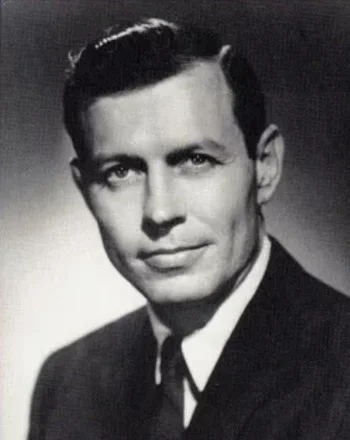
Jerry Quarry
May 15, 1945 — January 3, 1999 — Bakersfield, California
Jerry Quarry was an Irish-American heavyweight boxer who was ranked among the top four heavyweights in the world for the better part of a decade in the late 1960s and early 1970s, fought Muhammad Ali twice and Joe Frazier once, and whose tragic later life — marked by severe pugilistic dementia at an early age — made him a symbol of boxing's long-term neurological toll.
A Fighting Family
Born on May 15, 1945, in Bakersfield, California, Jerry Quarry came from a boxing family — his father, Jack Quarry, was a boxer and trainer, and several of his brothers also fought professionally. Jerry turned professional at seventeen and quickly became one of the most exciting heavyweights in a division that was being reinvented by Muhammad Ali's speed and charisma. Quarry was a skilled technical boxer with a good chin and genuine punching power, but he was particularly known for the way he could absorb punishment and keep coming forward — a quality that attracted fans and that, in retrospect, contributed to the brain damage he would suffer later.
The Ali Fights and Near Misses
Quarry's two fights with Muhammad Ali became part of boxing history. The first, in October 1969 in Atlanta — Ali's return to the ring after three and a half years of exile during his draft refusal — ended in a technical knockout when Quarry suffered a serious cut over his eye in the third round. The second, in June 1972, also ended in a TKO. Quarry also fought Joe Frazier in 1969, losing by TKO in the seventh round. He challenged for the heavyweight title on multiple occasions and never won it. His record was 53-9-4 with 32 knockouts — an excellent professional record that, in any other era, might have resulted in a championship.
Did You Know?
By his early fifties, Jerry Quarry had the mental capacity of a young child as a result of pugilistic dementia — the progressive neurological disease caused by repeated blows to the head. His family became public advocates for tighter boxing regulations and neurological screening of fighters. His case, along with those of other fighters suffering from similar damage, directly influenced ongoing debates about boxing safety standards and contributed to the scientific research that eventually led to the recognition of CTE (Chronic Traumatic Encephalopathy) as a distinct and serious medical condition.
A Cautionary Legacy
Quarry died on January 3, 1999, in Templeton, California — he was fifty-three years old. He had been under full-time care for years before his death. His story became part of a broader conversation about the cost of prize fighting for those who wage it most fully — men who win by taking punches, who define themselves by their ability to withstand pain, and who may not understand until far too late that something irreplaceable has been taken from them by the sport they love. His name is remembered both for the quality of his boxing and for what happened afterward.