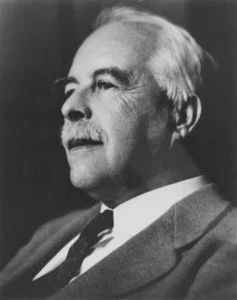
Gummo Marx
October 23, 1892 — April 21, 1977 — Manhattan, New York, United States
Gummo Marx was an American vaudeville performer, theatrical agent, and businessman, best remembered as the fourth-born of the five legendary Marx Brothers. Unlike his siblings Groucho, Harpo, Chico, and Zeppo, Gummo stepped away from performing early in life and never appeared in any of the Marx Brothers' famous films. Instead, he built a successful career behind the scenes as a talent agent and businessman, becoming an important, if lesser-known, figure in the family's showbiz legacy.
Early Life and Vaudeville Beginnings
Milton Marx was born in Manhattan, New York, in 1892, the fourth of the five sons of Sam and Minnie Marx. Like his brothers, he grew up in a household steeped in performance culture, heavily influenced by their mother Minnie, who was determined to see her sons succeed in show business. Gummo joined his brothers on the vaudeville circuit, performing in the family's early stage acts as they built a reputation touring theaters across the country. Vaudeville was a demanding and unpredictable career, requiring long hours of travel and rehearsal, and the Marx Brothers' act evolved considerably during these formative years. Gummo's nickname, like those of his brothers, originated during this vaudeville period, though the exact origin of "Gummo" remains debated among biographers. While he shared the stage with his brothers during these early years, Gummo reportedly never had the same passion for performing that drove Groucho, Harpo, and Chico. His time in vaudeville nonetheless gave him valuable experience in the entertainment industry that would shape the rest of his professional life, even after he left performing behind entirely.
Leaving the Act and Building a Business Career
Gummo's performing career came to a decisive end in 1918, when he was drafted into the U.S. Army during World War I. His departure from the family act created an opening that was filled by his younger brother Zeppo, who stepped in as the fourth Marx Brother for the stage and, later, film performances. Gummo had never harbored a strong desire for an acting career, and after his military service concluded, he did not return to performing. Instead, he pursued a path in business, eventually finding his niche as a theatrical agent. Leveraging his intimate knowledge of the entertainment industry and his family connections, Gummo became a successful talent representative, working with actors and performers navigating Hollywood and the broader entertainment world. Notably, he never appeared in any of the classic Marx Brothers films that made Groucho, Harpo, Chico, and Zeppo household names, distinguishing his career path sharply from his siblings. His work as an agent allowed him to remain closely connected to the entertainment business while carving out an identity distinct from the on-screen fame of his brothers.
Did You Know?
Gummo Marx never appeared in a single Marx Brothers film, despite being one of the original five Marx Brothers. His departure from the vaudeville act in 1918, due to being drafted into World War I, directly led to his brother Zeppo taking his place — a substitution that ultimately shaped the on-screen comedy team the world came to know.
Later Years and Legacy
Throughout his later life, Gummo Marx continued working as a theatrical agent and businessman, representing talent and maintaining close ties to the entertainment industry his brothers had conquered on screen. He remained a trusted figure within the Marx family, often involved in managing business matters related to his brothers' careers. Gummo passed away on April 21, 1977, at the age of 84 (or 85, depending on birth records), marking the loss of the last surviving member of the original vaudeville-era Marx Brothers lineup who had witnessed the group's earliest transformations. His legacy is unique among his siblings: rather than being remembered for iconic film performances, Gummo is remembered as the brother who chose a different path, proving instrumental behind the scenes rather than in front of the camera. His story offers an intriguing counterpoint to the fame of Groucho, Harpo, Chico, and Zeppo, illustrating that not every member of a famous performing family sought or achieved stardom through acting, and that quieter contributions to business and talent management can be equally vital to an entertainment dynasty's success.