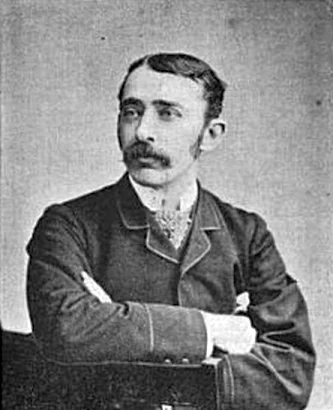
Gustav Ritter von Kahr
November 29, 1862 — June 30, 1934 — Munich, Bavaria
Gustav Ritter von Kahr was a Bavarian conservative politician who served as Minister President and State Commissioner of Bavaria in the early 1920s during a period of intense political instability in the Weimar Republic. He is remembered chiefly for two pivotal moments in early Nazi history: his initial apparent support and then decisive betrayal of Hitler's Beer Hall Putsch of November 1923, and his murder by the SS during the Night of the Long Knives in June 1934 — killed by Hitler as revenge for events over a decade earlier.
Early Career and Weimar Politics
Born on November 29, 1862, in Munich, Kahr pursued a career in the Bavarian civil service and became Minister President of Bavaria in 1920. He was a conservative Catholic and monarchist who loathed the Weimar Republic's democratic politics and harbored dreams of a Bavarian separatism or a restoration of traditional conservative order. Bavaria in this period had become a haven for right-wing organizations and paramilitary groups, including the early Nazi Party. Kahr was appointed State Commissioner General of Bavaria in September 1923 with extraordinary powers, amid a general political and economic crisis in Germany. In this role he coordinated with the Reichswehr and police in maintaining Bavarian order while entertaining plans for a broader right-wing uprising against the Berlin government.
The Beer Hall Putsch and Its Aftermath
On the night of November 8–9, 1923, Hitler and the SA seized a large beer hall in Munich where Kahr was speaking and, at gunpoint, appeared to secure Kahr's support for a coup against the Berlin government. Kahr initially seemed to go along with the putsch under coercion but then, after being released, repudiated it and coordinated with the Bavarian state and army to suppress it. The resulting confrontation on November 9 — the march to the Feldherrnhalle — was crushed by police, killing several Nazi marchers and putting an end to the putsch. Hitler was tried for treason. Kahr stepped down from his position and retired from active politics in 1924. He continued to live quietly in Bavaria until the Nazi seizure of power in 1933. On the Night of the Long Knives in late June and early July 1934, he was seized by the SS and murdered, his body discovered in a swamp near Dachau.
Did You Know?
Hitler never forgot Kahr's betrayal of the Beer Hall Putsch — in Mein Kampf he called Kahr a "miserable scoundrel," and when the opportunity for revenge came during the Night of the Long Knives eleven years later, Kahr was among those killed.
Legacy
Gustav Ritter von Kahr died on June 30, 1934. His role in history is that of a man whose actions at a critical moment — whether from cowardice, pragmatism, or genuine opposition to Hitler — helped prevent the Nazi seizure of power in 1923 and bought Germany a decade before Hitler's eventual triumph by other means. Whether this makes him a hero, a compromised conservative opportunist, or simply a victim of the forces he helped unleash is a question historians continue to debate. His murder was one of the clearest demonstrations of what the Nazi state would do to those who had ever crossed its leadership.