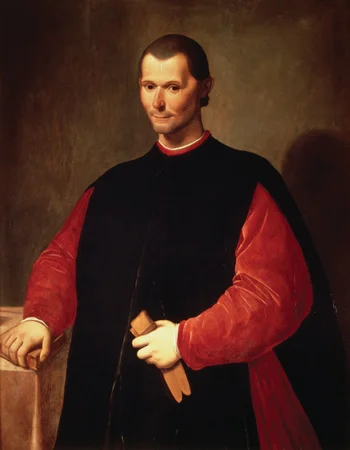
Henry V, Duke of Mecklenburg
May 3, 1479 — February 6, 1552 — Mecklenburg-Schwerin, Holy Roman Empire
Henry V, Duke of Mecklenburg, known as "the Peaceful," ruled the Mecklenburg-Schwerin region for nearly five decades during one of the most turbulent periods in German history. Born into the ruling house of Mecklenburg, he steered his duchy through the religious upheavals of the Reformation while earning a reputation for favoring diplomacy over conflict. His decision late in life to formally adopt Lutheranism reshaped the religious landscape of his territory for centuries to come.
Early Life and Succession
Henry V was born on May 3, 1479, into the House of Mecklenburg, one of the oldest noble dynasties in the Holy Roman Empire. He was the son of Duke Magnus II and his wife, Sophie of Pomerania-Stettin, whose family connections tied Mecklenburg to the powerful Pomeranian duchies to the east. Raised amid the complex web of alliances and rivalries that characterized northern German politics, Henry was groomed from an early age for the responsibilities of ducal rule. Upon his father's death, Henry inherited the duchy of Mecklenburg-Schwerin, taking his place among the regional princes who governed the patchwork of territories within the Holy Roman Empire. His early reign coincided with the first rumblings of religious reform sweeping through Germany, as Martin Luther's challenges to the Catholic Church began to reverberate across the northern states. Henry's cautious and measured approach to governance during these formative years set the tone for a rule defined by stability rather than upheaval, earning him the enduring nickname "the Peaceful" among his contemporaries and later historians.
A Long and Steady Reign
Throughout his decades-long rule, Henry V worked to maintain peace and stability within Mecklenburg-Schwerin during an era when much of the Holy Roman Empire was consumed by religious conflict and political fragmentation. As the Protestant Reformation gained momentum across northern Germany, Henry initially maintained a cautious neutrality, observing the religious and political consequences unfolding in neighboring territories before committing his duchy to any particular path. This patience distinguished him from more impulsive rulers of the period, many of whom rushed to align with either Catholic or Protestant factions, often triggering costly wars. Henry's diplomatic instincts served Mecklenburg well, allowing the duchy to avoid the worst devastation of the era's religious wars. He managed relationships with neighboring princes, the Holy Roman Emperor, and the shifting Protestant princely alliances with notable skill. His governance emphasized internal stability, allowing Mecklenburg's towns and rural economy to develop without the disruptions that plagued more contentious territories. This measured statecraft, sustained over nearly fifty years, became the defining hallmark of his rule and the foundation of his lasting historical reputation.
Did You Know?
Despite ruling for nearly fifty years during one of the most religiously volatile periods in European history, Henry V waited until 1549—just three years before his death—to formally introduce the Protestant Reformation into Mecklenburg, a decision that earned him the lasting nickname "the Peaceful."
Embracing Reform and Lasting Legacy
Late in his reign, after decades of careful neutrality, Henry V made the momentous decision to introduce the Protestant Reformation formally into Mecklenburg, embracing Lutheran teachings around 1549. This shift marked a significant turning point for the duchy, aligning it firmly with the growing Protestant movement reshaping northern Europe's religious and political order. Coming so late in his life, this decision reflected both the irreversible momentum of the Reformation across Germany and Henry's characteristic caution, having waited until the outcome seemed clear before committing his realm to change. Henry V died in 1552, shortly after this pivotal religious transformation took hold, leaving behind a Mecklenburg firmly set on a Lutheran path that would define the duchy's religious identity for generations. His descendants continued to rule Mecklenburg-Schwerin, building upon the stable foundation he had established. Remembered as "the Peaceful," Henry's legacy rests on his ability to guide his duchy through nearly half a century of religious and political turmoil with remarkably little internal strife, a rare achievement among the German princes of his tumultuous era.