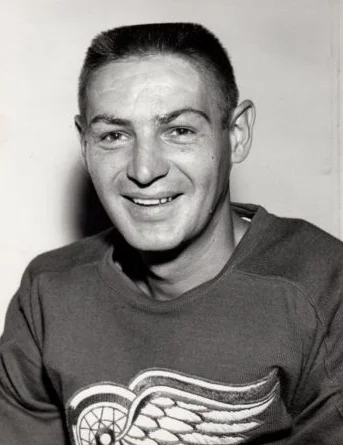
Herb Gardner
December 28, 1934 — September 25, 2003 — Brooklyn, New York, United States
Herb Gardner was an American playwright, screenwriter, and cartoonist whose warm, comic voice captured the eccentricities and quiet resilience of ordinary New Yorkers. He first made his mark as a commercial cartoonist before turning to the stage, where his plays became known for blending humor with heartfelt humanity. Over a career spanning four decades, Gardner earned Tony Awards and critical acclaim for works like A Thousand Clowns and I'm Not Rappaport.
Early Life and Beginnings as an Artist
Herbert George Gardner was born in 1934 and grew up in Brooklyn, New York, in a Jewish family that valued creativity and wit. As a teenager, he showed a talent for drawing and storytelling, eventually channeling that gift into commercial art and cartooning. His comic sensibility developed early, shaped by the rhythms of city life and the offbeat characters he observed around him. Before establishing himself in theater, Gardner created a syndicated comic strip called 'The Nebbishs,' which found popularity for its droll, self-deprecating humor and became a modest commercial success, appearing on greeting cards and other merchandise. This early success in visual storytelling gave Gardner both financial independence and a foundation in comic timing that would later distinguish his work as a playwright. His background as an artist also instilled in him a keen eye for character and detail, qualities that became hallmarks of his dramatic writing. Though he would eventually become far better known for his plays and screenplays, this formative period as a cartoonist shaped his distinctive comedic voice and his enduring interest in the small absurdities of everyday life.
A Thousand Clowns and Broadway Success
Gardner's breakthrough came in 1962 with his play A Thousand Clowns, a comedy about a nonconformist television writer raising his nephew while resisting the pressures of conventional society. The play was a hit on Broadway and Gardner adapted it into a 1965 film for which he received an Academy Award nomination for Best Adapted Screenplay. The story's blend of whimsy, melancholy, and sharp social commentary established the template for much of his later work. Gardner continued writing for both stage and screen over the following decades, crafting scripts that balanced comedy with genuine emotional depth. His other notable plays included Thieves and The Goodbye People, both of which explored themes of dreamers and outsiders navigating an indifferent world. In 1986, he achieved his greatest theatrical triumph with I'm Not Rappaport, a poignant comedy about two elderly men, one Jewish and one Black, who form an unlikely friendship on a park bench in New York City. The play won the Tony Award for Best Play and cemented Gardner's reputation as one of American theater's most humane and funny voices, celebrated for characters who refused to surrender their idealism despite life's disappointments.
Did You Know?
Before becoming a celebrated playwright, Herb Gardner created a successful comic strip called 'The Nebbishs,' which became a pop culture phenomenon in the late 1950s, appearing on merchandise ranging from greeting cards to jewelry.
Later Career and Lasting Legacy
In his later years, Gardner continued to write for both stage and screen, remaining committed to stories about resilient, quirky individuals confronting change and mortality with humor intact. His screenplay for the 1981 film The Goodbye People and his continued involvement in Broadway productions kept him active in American arts and letters through the 1980s and 1990s. Gardner's final major work, A Thousand Clowns' spiritual successor in tone, reflected his lifelong fascination with characters who resist societal expectations in favor of authenticity and joy. He died on September 25, 2003, in New York City, leaving behind a body of work admired for its warmth, wit, and deep compassion for human frailty. Gardner's plays continue to be revived regularly in regional and community theaters, a testament to their enduring appeal and universal themes. Critics and audiences alike have praised his ability to find comedy in loneliness and dignity in eccentricity. His influence can be seen in later generations of playwrights who blend humor with social observation, and I'm Not Rappaport in particular remains a staple of American theatrical repertoire, still performed for its timeless message about friendship, aging, and the refusal to fade quietly into irrelevance.