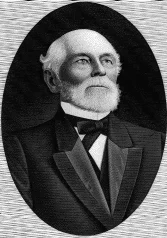
Ioan Nicolidi of Pindus
March 14, 1737 — Gramos, Ottoman Empire (modern-day Greece)
Ioan Nicolidi of Pindus was an Aromanian physician and nobleman whose career embodied the migration and social mobility common among Balkan merchant and professional families in the eighteenth century. Born in the mountainous Gramos region, he journeyed westward through the Ottoman and Habsburg worlds to become a celebrated doctor in Vienna, where his services earned him imperial recognition and a hereditary title.
Early Life in Gramos and Siatista
Ioan Nicolidi was born on March 14, 1737, in Gramos, a rugged highland district in the southern Balkans long inhabited by Aromanian shepherd and merchant communities. Like many Aromanians of his generation, he belonged to a population known for its mobility, its participation in long-distance trade networks, and its strong tradition of investing in education for its sons. Seeking better opportunities, the young Nicolidi left his native mountains and settled for a time in Siatista, a prosperous Aromanian trading town in Macedonia that served as a major commercial and cultural hub connecting the Ottoman Balkans with Central Europe. Siatista's merchants maintained close ties with Habsburg lands, and many local families sent their children abroad to study, particularly in Vienna, which had become a magnet for ambitious young men from the Greek and Aromanian diaspora. It was through this well-trodden path of migration and commerce that Nicolidi found his way toward the imperial capital, carrying with him the ambitions of his community and the hope of acquiring a professional education unavailable in his homeland.
Medical Studies and Practice in Vienna
Nicolidi's move to Vienna marked a turning point in his life, as he enrolled to complete formal studies in medicine, joining the ranks of Balkan émigrés who pursued professional training at Habsburg institutions. Vienna in the eighteenth century was an attractive destination for such students, offering access to Europe's medical science and a cosmopolitan environment where Greek, Aromanian, and Serbian communities had established merchant colonies and cultural networks. After completing his training, Nicolidi built a successful medical practice in the city, treating patients and earning a reputation that extended well beyond the diaspora community from which he came. His skill and dedication as a physician brought him considerable esteem among Viennese society, a notable achievement for an immigrant from the Ottoman Balkans navigating the hierarchies of the Habsburg capital. His growing popularity as a doctor reflected both his personal competence and the broader trust that Central European elites placed in physicians trained within the empire's medical schools, regardless of their ethnic or geographic origins.
Did You Know?
Ioan Nicolidi's honorific title 'von Pindo' directly referenced the Pindus mountains of his Aromanian homeland, permanently linking his adopted Viennese identity to the rugged highlands where his family originated.
Ennoblement and Lasting Legacy
In recognition of his valuable medical services, Ioan Nicolidi was awarded the nobiliary particle 'von Pindo,' a title referencing the Pindus mountain range associated with his Aromanian homeland. This ennoblement placed him among a select group of Balkan-born professionals who achieved formal status within the Habsburg social order, illustrating how expertise and service could open pathways to recognition even for those originating outside the traditional aristocracy. Nicolidi's story stands as an example of the broader Aromanian diaspora experience: individuals who left modest mountain villages to pursue education and opportunity in the great cities of Central Europe, ultimately achieving distinction in fields such as medicine, commerce, and scholarship. His life reflects the interconnectedness of the Ottoman and Habsburg worlds during the eighteenth century, and his elevation to nobility remains a testament to the respect earned by immigrant professionals of his era. Today, he is remembered as part of the notable lineage of Aromanian physicians and intellectuals who helped bridge Balkan and Central European society.