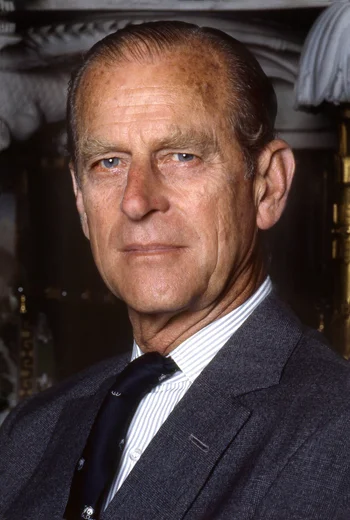
James McDivitt
June 10, 1929 — October 13, 2022 — Chicago, Illinois / Tucson, Arizona
James McDivitt was a NASA astronaut who commanded two historically important missions: Gemini 4 in 1965 — during which Ed White became the first American to walk in space — and Apollo 9 in 1969, the first crewed test of the complete lunar landing system in space, a mission essential to the success of the Moon landing four months later.
From Korea to the Astronaut Corps
Born on June 10, 1929, in Chicago, Illinois, McDivitt grew up in Kalamazoo, Michigan. He flew 145 combat missions as a fighter pilot during the Korean War before studying aeronautical engineering at the University of Michigan, graduating first in his class in 1959. He was a test pilot at Edwards Air Force Base when NASA selected him as part of the second group of astronauts — the "New Nine" — in 1962, alongside Neil Armstrong, John Young, Pete Conrad, and others who would go on to define the American space program.
Gemini 4 and Ed White's Spacewalk
In June 1965, McDivitt commanded Gemini 4, a four-day mission that included the first American spacewalk by Ed White. White spent 23 minutes outside the spacecraft, maneuvering with a hand-held gas gun while a live television camera broadcast the images worldwide. The Soviets had conducted the first spacewalk months earlier (Alexei Leonov, March 1965), so the geopolitical context gave the images additional weight. McDivitt remained inside as commander while White performed the EVA. The mission set an American endurance record at the time. McDivitt's calm, methodical management of the mission became a model for subsequent Gemini missions.
Did You Know?
During the Apollo 9 mission in March 1969, McDivitt and lunar module pilot Rusty Schweickart named their command module "Gumdrop" (because of the blue wrapping it arrived in) and their lunar module "Spider" (for its spider-like appearance). McDivitt and Schweickart flew the Spider lunar module completely independently of the command module — separating, flying on their own, and then rendezvousing and docking again — over 100 miles above Earth. This was the first test of the lunar module in space, and it had to work or the Moon landing couldn't happen.
Apollo 9 and Later Career
Apollo 9, launched March 3, 1969, was one of the most technically complex missions of the Apollo program. McDivitt commanded the first crewed flight of the complete Apollo spacecraft — command module plus lunar module — testing every system the Moon-landing missions would depend on. The mission was a complete success. McDivitt left the astronaut corps after Apollo 9 to manage the Apollo Spacecraft Program Office at NASA, overseeing the technical operations of the program through the Moon landings. He left NASA in 1972 and had a successful career in aerospace industry. He died in Tucson, Arizona, on October 13, 2022, at ninety-three.