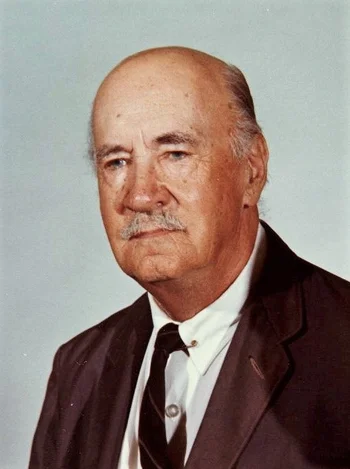
John Mott
May 25, 1865 — January 31, 1955 — Livingston Manor, New York / Orlando, Florida
John Raleigh Mott was an American Methodist leader and ecumenical organizer who spent sixty years building and uniting Christian organizations across the world — most significantly the World Student Christian Federation, the International Missionary Council, and the YMCA — and received the Nobel Peace Prize in 1946 for his work in promoting understanding and cooperation among people of different nations and religions.
Student Leader and Global Organizer
Born on May 25, 1865, in Livingston Manor, New York, John Mott grew up in Iowa and attended Cornell University, where a speech by British cricketer and evangelist C.T. Studd transformed his sense of religious vocation. He became chairman of the Cornell University Christian Association and then, from 1888, a traveling secretary for the Student YMCA. He was present at the 1886 meeting at Mount Hermon, Massachusetts, where the Student Volunteer Movement for Foreign Missions was founded — a movement that would send tens of thousands of American students into missionary work over the next three decades. Mott spent much of the next six decades traveling — often by ship for months at a time — visiting student organizations and Christian communities in dozens of countries across Asia, Africa, Europe, and the Americas.
Building Worldwide Networks
In 1895, Mott founded the World Student Christian Federation — an umbrella organization connecting university Christian associations globally that became one of the institutional seedbeds of the ecumenical movement. He led the YMCA's world committee from 1926 to 1937 and guided the organization's vast expansion across Asia, particularly in India and China. The YMCA under Mott's influence was not merely a gymnasium and dormitory operation but a social service organization providing literacy, health, and community services across countries where no such services otherwise existed. He was offered the ambassadorship to China by President Woodrow Wilson and declined. He became the first chairman of the International Missionary Council in 1921 and held that position for twenty years.
Did You Know?
John Mott received the 1946 Nobel Peace Prize at age eighty-one — more than fifty years after the peak of his most active organizational work. The Nobel Committee cited his extraordinary life of service to international brotherhood and peace. He shared the prize that year with Emily Greene Balch, a pacifist economist. In his Nobel lecture, Mott spoke about the need for unity across religious and national lines at a moment when the world was coming to terms with the devastation of World War II and beginning to build the post-war international order. He had spent his career building exactly the kinds of cross-national relationships he was now being recognized for.
Legacy
Mott lived to ninety — dying on January 31, 1955 — and his influence on twentieth-century ecumenical Christianity was enormous. The World Council of Churches, which was founded in Amsterdam in 1948, grew directly from the networks and preparatory work that Mott's organizations had been building for decades. He had been a founding figure of the Faith and Order movement that made the WCC possible. His career is a study in how systematic long-term organizational work, carried out by one person over six decades, can reshape global institutions. The YMCA, the World Student Christian Federation, and the ecumenical church movement all bear his fingerprints.