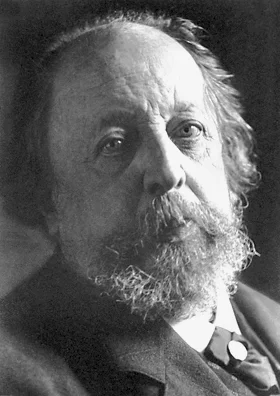
Lew Wasserman
March 15, 1913 — June 3, 2002 — Cleveland, Ohio / Los Angeles, California
Lew Wasserman was one of the most powerful figures in Hollywood history — a talent agent turned studio executive who transformed MCA from a Chicago music-booking agency into the dominant force in American entertainment, controlling Universal Pictures and defining how the industry worked for half a century.
Rising Through the Ranks of MCA
Born on March 15, 1913, in Cleveland, Ohio, Wasserman began working at a movie theater in his teens and caught the eye of MCA founder Jules Stein, who hired him in 1936. By the time he was twenty-six, Wasserman was head of all of MCA's talent operations — remarkable for someone so young in an industry run by entrenched figures. He became president of the company in 1946. His first major innovation was negotiating a breakthrough deal for Ronald Reagan in 1952: a contract that gave Reagan a percentage of profits from his television work rather than a flat fee. This "packaging" deal restructured how talent was compensated across the entire industry, shifting power toward actors and agents. Wasserman would later use the same structure for directors, writers, and producers.
The Last Mogul
When MCA acquired Universal Studios in 1962, Wasserman transformed it into both a film studio and a television production powerhouse. Universal under Wasserman produced Jaws (1975), E.T. the Extra-Terrestrial (1982), the Jurassic Park franchise, and hundreds of television series. He was renowned for wearing dark suits and black ties every day with absolute consistency, taking early morning walks around the Universal lot, and maintaining a reputation as a man you did not cross. His relationships with politicians — particularly Democrats — were extensive, and he was widely consulted on matters extending well beyond entertainment. When MCA was sold to Matsushita in 1990 and then to Seagram in 1995, Wasserman was ultimately eased out of power.
Did You Know?
The deal Lew Wasserman struck for Ronald Reagan's television work in 1952 may have changed American history. The contract gave Reagan steady income and prestige during a professionally uncertain period, helping him transition from a fading film actor to a successful television personality — a platform that directly led to his career in politics. Wasserman, a lifelong Democrat, lived long enough to see his old client become a conservative Republican president with whom he deeply disagreed.
Legacy and Philanthropy
Wasserman was a major philanthropist whose donations to disease research, the arts, and education were extensive. The Wasserman Foundation funded programs across Los Angeles for decades. He died in Beverly Hills on June 3, 2002, at age 89. His biographer Connie Bruck titled her account When Hollywood Had a King — a title that captures both his era and its passing. The Hollywood that Wasserman shaped — driven by packaged deals, talent leverage, and long-game studio strategy — was in many ways the last era in which a single personality could credibly be called the industry's ruler.