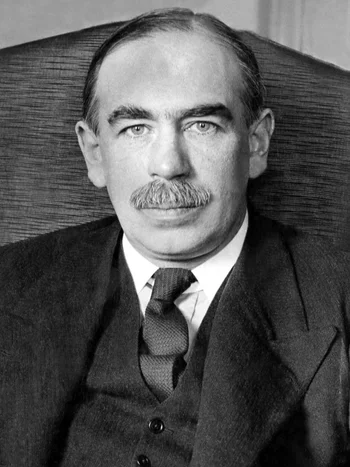
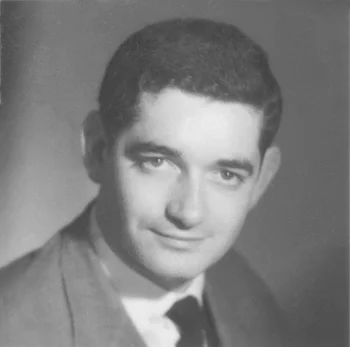
Pancho Villa
June 5, 1878 — July 20, 1923 — Durango / Chihuahua, Mexico
Pancho Villa was a Mexican revolutionary general whose División del Norte became the most feared fighting force of the Mexican Revolution, whose Robin Hood reputation made him a folk hero to the poor, and whose 1916 raid on Columbus, New Mexico stands as the only conventional military attack on American soil since the War of 1812.
Outlaw Origins
Born Doroteo Arango Arámbula on June 5, 1878, in San Juan del Río, Durango (some sources give slightly different details as records are uncertain), he grew up in severe poverty as a sharecropper's son on the hacienda system that dominated northern Mexico. After killing a man he claimed had assaulted his sister — accounts of the circumstances differ — he fled into the Sierra Madre mountains and lived as a fugitive and bandit under the name Francisco Villa, later shortened to "Pancho." He developed the tactical skills, network of contacts, and personal authority that would define his military career, and cultivated a reputation for sharing his spoils with the poor of Chihuahua.
Revolutionary Warlord
When Francisco Madero launched his uprising against dictator Porfirio Díaz in 1910, Villa joined the revolutionary cause. His División del Norte — a mobile force of cavalry and infantry supported by commandeered trains — became the most effective revolutionary army in northern Mexico. He won major battles at Ciudad Juárez and Tierra Blanca, and his forces pushed south to capture Zacatecas in 1914 in what remains one of the largest battles in Mexican history. His alliance with Emiliano Zapata in the south and their joint occupation of Mexico City in 1914 was captured in one of the most famous photographs of the era — Villa in the presidential chair, Zapata beside him. But his political coalition fractured, and by 1915 his army was defeated in a series of battles against Venustiano Carranza's better-supplied forces.
Did You Know?
At the height of his power, Pancho Villa had a filmmaking contract with the Mutual Film Corporation that paid him $25,000 cash and a percentage of profits in exchange for allowing American cameramen to film his battles. Villa reportedly agreed to schedule nighttime battles during daylight and to re-enact fighting for the cameras. The resulting films were partly staged, but the arrangement made Villa the first military commander to shape his image through motion pictures.
Columbus Raid and Assassination
In March 1916, Villa led roughly five hundred men across the U.S. border and attacked the town of Columbus, New Mexico, killing seventeen Americans and burning part of the town. The motivation remains debated — retaliation for an arms dealer failure, an attempt to embarrass President Carranza by provoking American intervention, or both. It provoked President Wilson to send General Pershing and ten thousand troops into Mexico in an eleven-month "Punitive Expedition" that never caught Villa. He retired from fighting in 1920 under a negotiated settlement and was given a hacienda in Chihuahua. He was assassinated on July 20, 1923, riddled with bullets while driving his car in Parral. Though a ruthless warlord who committed atrocities, his legend as a champion of the poor endures across northern Mexico in folk songs called corridos.