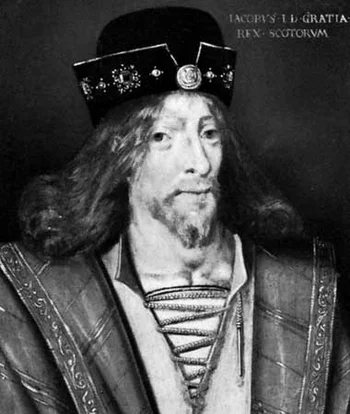
Albert I, Duke of Bavaria
Albert I was a significant German nobleman and feudal ruler during the late Middle Ages. He wielded considerable power over several strategic regions, making him a figure of importance in both Bavaria and the Low Countries. His vast holdings established his influence across multiple political spheres.
Early Life and Background
Born into German nobility, Albert I inherited a powerful position within the fragmented political landscape of the 14th century. While specific details regarding his early life are limited, he quickly established himself as a major feudal lord. His influence was rooted in the complex web of aristocratic claims and regional powers that characterized the time. He held significant standing, which allowed him to accumulate control over territories far beyond his immediate family seat.
Rulership and Control Over Diverse Territories
Albert I's authority extended across a remarkable collection of lands. His power base included the portion of Lower Bavaria known as Straubing, which served both as his ducal line's appanage and primary seat. Furthermore, he acquired control over crucial territories in the Low Countries. These holdings encompassed the counties of Holland, Hainaut, and Zeeland. Governing such diverse regions—from the German heartland to the coastal areas of modern-day Belgium and the Netherlands—required considerable administrative skill and military might.
Did You Know?
Albert I’s political reach was exceptionally broad for a nobleman of his era. His titles connected him to both the powerful Duchy of Bavaria and the independent countships located in the Low Countries.
Impact and Legacy
As a feudal ruler, Albert I played a role in consolidating noble power over disparate geographic regions. His ability to govern both parts of Bavaria and major counts within the Low Countries marked him as a man of extensive reach. Although his specific achievements are defined by the territories he controlled rather than singular works, his rule cemented his family's status among the most powerful German nobles. He left a legacy defined by the sheer scope of his dominion, binding together varied cultures and economies under his feudal authority.