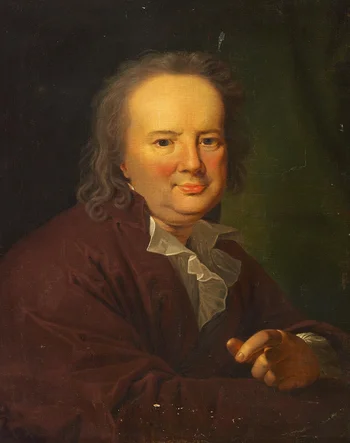
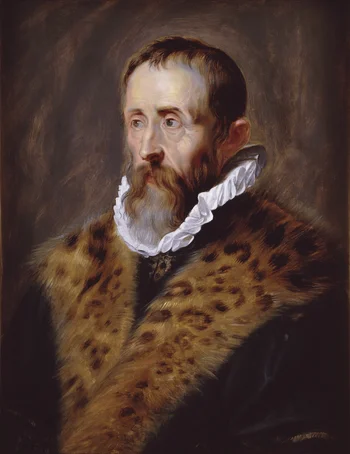
Sir Henry Taylor
October 18, 1800 — March 27, 1886 — Bishop Middleham, England
Sir Henry Taylor was a 19th-century English poet, dramatist, and civil servant whose verse drama Philip van Artevelde brought him literary fame in his own lifetime. Alongside his creative work, he spent nearly half a century as an influential official at the Colonial Office, shaping British colonial policy while maintaining friendships with leading literary figures of his day. He died on March 27, 1886, leaving behind a body of poetry, plays, and essays that reflect the moral seriousness of the Victorian age.
Early Life and Education
Henry Taylor was born on October 18, 1800, in Bishop Middleham, County Durham, England, into a family with modest gentry connections. He received an irregular education, partly due to poor health in childhood, and did not attend university in the conventional sense that many of his literary contemporaries did. Instead, Taylor was largely self-taught, developing a deep love of poetry and classical literature through independent reading. As a young man, he briefly served in the Royal Navy before turning to a career in the civil service, a path that would define his professional life. His early exposure to literature and his growing ambition to write set the stage for a dual career that balanced bureaucratic duty with creative pursuits, an unusual combination that shaped both his poetry and his public reputation in later years.
Career at the Colonial Office and Literary Achievement
In 1824, Taylor joined the Colonial Office, where he would remain for approximately 48 years, eventually becoming one of its most respected senior officials. His administrative work involved shaping policy for Britain's expanding colonial territories, and he was knighted in 1869 in recognition of his long and distinguished service. Despite the demands of his civil service career, Taylor pursued poetry and drama with equal seriousness. His most celebrated work, the verse drama Philip van Artevelde, published in 1834, told the story of a 14th-century Flemish statesman and was praised for its moral depth and dramatic structure, quickly establishing Taylor as a significant literary figure. He also wrote other plays, including Edwin the Fair and Isaac Comnenus, and produced essays on statesmanship, notably The Statesman (1836), which drew on his own administrative experience to reflect on the qualities required for effective public service.
Did You Know?
Henry Taylor spent nearly 48 years working at the Colonial Office while simultaneously building a respected career as a poet and playwright. His verse drama Philip van Artevelde (1834) was so admired that it briefly placed him among the most celebrated poets of his generation, even drawing comparisons to contemporaries like Tennyson.
Later Years and Legacy
Throughout his life, Taylor cultivated friendships with prominent literary figures of the Romantic and early Victorian eras, including William Wordsworth and Robert Southey, whose influence can be traced in the reflective, morally earnest tone of his own writing. After retiring from the Colonial Office, he continued to write, publishing further poetry and an autobiography that offered insight into both his public career and his literary ambitions. Taylor died on March 27, 1886, having outlived many of his literary contemporaries and witnessed significant changes in British literature and colonial administration. Although his reputation as a poet and dramatist faded considerably in the 20th century, overshadowed by more radical Victorian and modernist voices, Philip van Artevelde remains a notable example of 19th-century verse drama. His career also stands as a distinctive example of a writer who achieved genuine literary recognition while simultaneously holding significant influence within the machinery of the British Empire.